
If you’re planning a trip to Europe, you’ve probably heard about ETIAS. ETIAS delayed 2026.
Over the past few years, millions of travelers have searched online asking questions like:
- Do I need ETIAS in 2026?
- Has ETIAS started yet?
- Why was ETIAS delayed?
- Can I still travel to Europe without ETIAS?
The confusion is understandable.
After several postponements, many people are unsure whether ETIAS is finally launching or if another delay has been announced.
Fortunately, we’re here to explain everything in simple language.
Whether you’re visiting Europe for a vacation, a business trip, or to see family and friends, this guide will help you understand exactly what has changed—and what hasn’t.
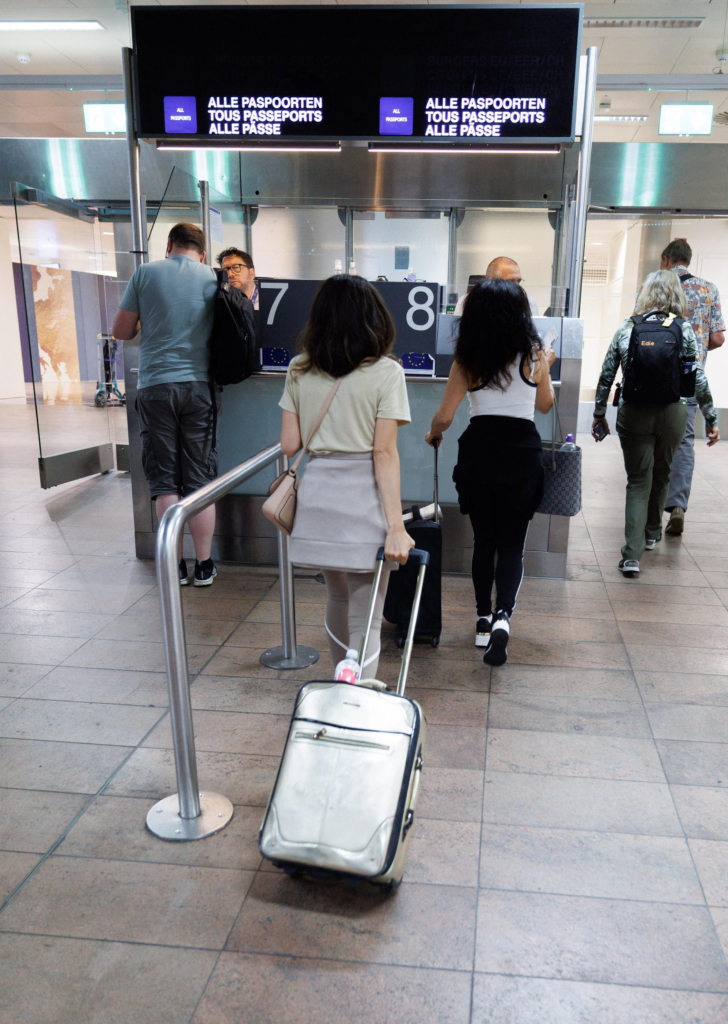
What Is ETIAS?
ETIAS stands for the European Travel Information and Authorization System.
Although many people compare it to a visa, that’s not entirely correct.
Instead, ETIAS is a travel authorization designed for visitors from countries that currently do not need a visa for short stays in the Schengen Area.
For example, travelers from countries such as:
- United States
- Canada
- United Kingdom
- Australia
- New Zealand
- Japan
- South Korea
will eventually need to apply for ETIAS before entering most European countries in the Schengen Area.
However, ETIAS is not required for citizens of EU member states.
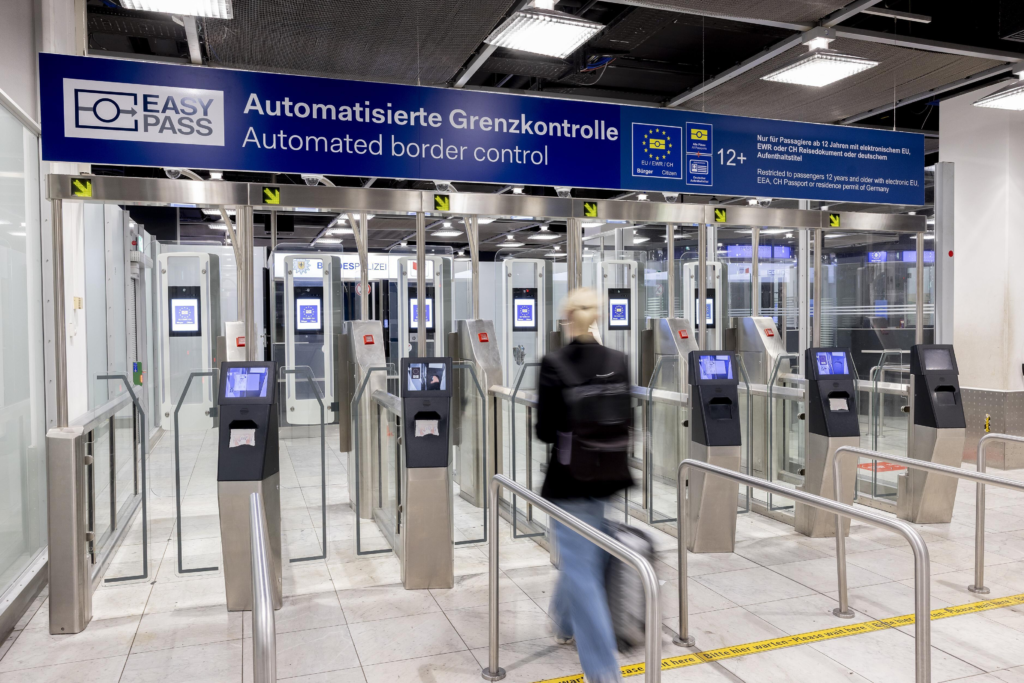
ETIAS at a Glance
| Question | Answer |
|---|---|
| Is ETIAS a visa? | ❌ No |
| Is ETIAS mandatory? | ✅ Yes (once implemented, for eligible non-EU travelers) |
| Does it replace a passport? | ❌ No |
| Is it required for EU citizens? | ❌ No |
| Is it linked to the Schengen Area? | ✅ Yes |
Why Was ETIAS Created?
Every year, Europe welcomes millions of international visitors.
While most travelers enter legally and enjoy trouble-free trips, European authorities wanted a way to improve border security before visitors arrive.
Instead of waiting until someone reaches passport control, ETIAS is designed to perform certain security checks before travel.
As a result, border authorities can identify potential issues earlier while making the process smoother for most legitimate travelers.
It’s important to note that ETIAS is intended to strengthen security rather than discourage tourism.
Why Has ETIAS Been Delayed Again?
This is currently one of the most frequently asked questions.
Originally, ETIAS was expected to launch several years ago.
However, the timeline has changed more than once due to technical preparations and the need to coordinate new border systems across multiple European countries.
One of the main reasons is the rollout of another major system called the Entry/Exit System (EES).
Because ETIAS depends on the successful implementation of the EES in many respects, delays affecting one project have also influenced the timeline of the other.
ETIAS Timeline
| Year | Expected Status |
|---|---|
| Initial announcements | Planned launch |
| Multiple postponements | Technical preparations continued |
| Current expectation | Launch after the Entry/Exit System is fully operational* |
*Timelines may change as European authorities continue implementing the new border systems.
What Is the Entry/Exit System (EES)?
Before understanding ETIAS, it’s important to know about another system called the Entry/Exit System (EES).
Although the two systems are often mentioned together, they serve different purposes.
The Entry/Exit System is a digital border management system that records:
- Passport information
- Entry and exit dates
- Biometric data, such as facial images and fingerprints, where applicable
Instead of receiving a traditional passport stamp each time they enter or leave the Schengen Area, eligible non-EU travelers will have their movements recorded electronically through this new system.
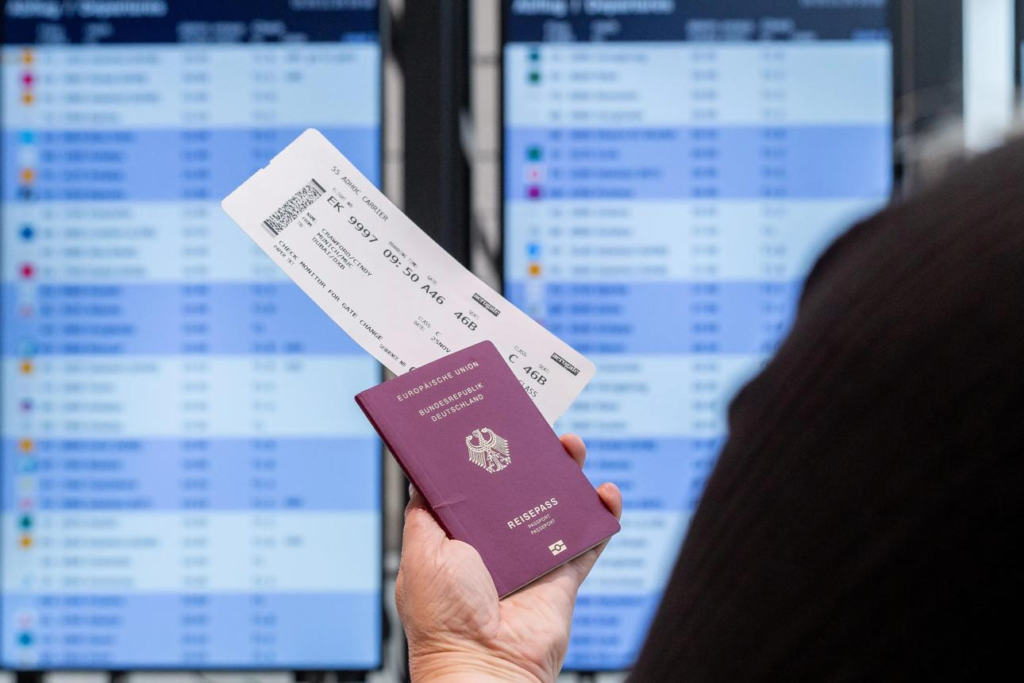
ETIAS vs. EES
| ETIAS | EES |
|---|---|
| Travel authorization | Border management system |
| Applied for before traveling | Used when crossing the border |
| Confirms travel eligibility | Records entries and exits |
| Required only for eligible visa-exempt non-EU travelers | Used during border checks for eligible non-EU travelers |
Will Airport Procedures Change?
Yes—but perhaps not in the way many travelers expect.
Many people worry that airports will become much more complicated.
However, for most travelers, the biggest difference will simply be additional digital verification at certain border crossings.
For example, eligible travelers may be asked to:
- Scan their passport.
- Have their facial image captured.
- Provide fingerprints where required.
- Complete additional automated border checks.
These steps are intended to modernize border management while reducing reliance on manual passport stamps.
During the transition period, however, some airports may experience longer waiting times as the new systems are introduced.
How Travelers May Notice the Changes
| Before | After |
|---|---|
| Manual passport stamps | Digital entry records |
| Standard passport inspection | Additional biometric verification (where applicable) |
| Paper-based records | Electronic border management |
| Traditional processing | Increased use of automated systems |
Common Misunderstandings About ETIAS
Because ETIAS has been delayed several times, misinformation has spread online.
Let’s clear up a few common myths.
| Myth | Reality |
|---|---|
| Everyone needs ETIAS | ❌ Only eligible visa-exempt non-EU travelers will need it once implemented. |
| ETIAS is a visa | ❌ It is a travel authorization, not a visa. |
| Europeans need ETIAS | ❌ EU citizens do not need ETIAS. |
| ETIAS has already started | ❌ It has not yet been implemented. |
Why This Matters for Travelers
Whether you’re planning your first European vacation or you’re a frequent visitor, understanding the difference between ETIAS and the Entry/Exit System can help you avoid confusion.
Rather than relying on outdated social media posts or rumors, it’s important to stay informed using official information as your travel date approaches.
Fortunately, most travelers can continue planning their trips as usual while keeping an eye on future announcements regarding the rollout of these systems.
Who Will Need ETIAS?
One of the biggest misconceptions surrounding ETIAS is that it will apply to everyone traveling to Europe.
Fortunately, that’s not the case.
ETIAS is designed specifically for travelers who currently do not need a visa to enter the Schengen Area for short stays.
In other words, if you’re from a visa-exempt country outside the European Union, you’ll most likely need ETIAS once the system becomes operational.
For example, travelers from:
- 🇺🇸 United States
- 🇨🇦 Canada
- 🇬🇧 United Kingdom
- 🇦🇺 Australia
- 🇳🇿 New Zealand
- 🇯🇵 Japan
- 🇰🇷 South Korea
- 🇸🇬 Singapore
will generally be required to obtain an approved ETIAS authorization before traveling to participating European countries once the system launches.
Countries Expected to Require ETIAS
| Country | ETIAS Required?* |
|---|---|
| United States | ✅ Yes |
| Canada | ✅ Yes |
| United Kingdom | ✅ Yes |
| Australia | ✅ Yes |
| New Zealand | ✅ Yes |
| Japan | ✅ Yes |
| South Korea | ✅ Yes |
| Singapore | ✅ Yes |
*Once ETIAS officially enters into operation.
Who Will NOT Need ETIAS?
This question is just as important.
If you’re a citizen of an EU member state, you do not need ETIAS.
The same generally applies to citizens of countries within the Schengen Area who already enjoy freedom of movement.
For example:
- 🇫🇷 France
- 🇩🇪 Germany
- 🇮🇹 Italy
- 🇪🇸 Spain
- 🇬🇷 Greece
- 🇳🇱 Netherlands
- 🇸🇪 Sweden
These travelers simply continue using their national identity card or passport where required.
Travelers Who Are Generally Exempt
| Traveler | ETIAS Needed? |
|---|---|
| EU Citizens | ❌ No |
| Schengen Citizens | ❌ No |
| Holders of valid residence permits (in many cases) | Usually No* |
| Travelers requiring a visa | ❌ ETIAS does not replace a visa |
*Requirements depend on the specific residence status and applicable regulations. Always verify your situation before traveling.
Which European Countries Will Use ETIAS?
Another common misunderstanding is that ETIAS applies to every country in Europe.
Actually, Europe and the Schengen Area are not exactly the same thing.
ETIAS is linked primarily to countries participating in the Schengen travel area.
That means some European countries participate, while others have different entry requirements.
Examples of Countries Expected to Participate
| Country | Expected ETIAS Participation |
|---|---|
| France | ✅ |
| Germany | ✅ |
| Greece | ✅ |
| Italy | ✅ |
| Spain | ✅ |
| Portugal | ✅ |
| Netherlands | ✅ |
| Austria | ✅ |
| Belgium | ✅ |
| Switzerland | ✅ |
| Norway | ✅ |
| Iceland | ✅ |
How Will ETIAS Work?
Although the system hasn’t launched yet, European authorities have already outlined the general process.
Instead of visiting an embassy or consulate, eligible travelers are expected to complete an online application before departure.
The process is expected to include information such as:
- Personal details
- Passport information
- Travel document validity
- Security-related questions
Once submitted, the application will be checked electronically against relevant databases.
For the vast majority of travelers, decisions are expected to be made quickly.
However, some applications may require additional review.
Expected ETIAS Application Process
| Step | Action |
|---|---|
| 1 | Complete the online application |
| 2 | Enter passport details |
| 3 | Answer security questions |
| 4 | Pay the applicable fee (if required) |
| 5 | Wait for approval |
| 6 | Travel to Europe |
How Much Will ETIAS Cost?
One of the questions travelers ask most often is:
“Will ETIAS be expensive?”
Fortunately, no.
Current plans indicate that the authorization fee will be relatively low compared with the cost of an international trip, while certain groups are expected to be exempt from paying the fee. Since implementation has been delayed, it’s still wise to confirm the official fee before applying.
ETIAS Cost Overview
| Question | Expected Answer |
|---|---|
| Expensive? | ❌ No |
| One-time payment? | ✅ Yes (per authorization) |
| Online payment? | ✅ Expected |
| Free for some travelers? | ✅ Certain exemptions are expected |
How Long Will ETIAS Be Valid?
Although travelers often assume they must apply before every trip, that’s generally not how the system is expected to work.
Instead, an approved ETIAS authorization is intended to remain valid for multiple short trips over a set period, provided your passport remains valid and your authorization has not expired.
ETIAS Validity
| Question | Expected Answer |
|---|---|
| Single trip only? | ❌ No |
| Multiple entries? | ✅ Yes |
| Apply before every vacation? | Usually No |
| Linked to your passport? | ✅ Yes |
Common ETIAS Myths
The internet is full of confusing information.
Let’s separate fact from fiction.
| Myth | Reality |
|---|---|
| ETIAS replaces a visa | ❌ No |
| ETIAS replaces your passport | ❌ No |
| Everyone traveling to Europe needs ETIAS | ❌ No |
| Europeans need ETIAS | ❌ No |
| ETIAS is already active | ❌ Not yet |
Example Scenarios
Sometimes real-life examples make things easier to understand.
Example 1
Sarah lives in New York.
She wants to spend two weeks in Italy and France.
Once ETIAS becomes operational, she’ll generally need an approved ETIAS authorization before traveling.
Example 2
George lives in Athens, Greece.
He plans to visit Spain.
Because he is an EU citizen, ETIAS does not apply to his trip.
Example 3
Emma lives in London.
She wants to travel through Germany, Austria, and Switzerland.
As a UK citizen traveling visa-free, she is expected to require ETIAS once it comes into effect.
Why Travelers Shouldn’t Panic
Social media often makes ETIAS sound much more complicated than it actually is.
Fortunately, most tourists will continue traveling much as they do today.
The main difference is that eligible travelers will complete a travel authorization before departure instead of arriving at the border without one.
For most people, this is expected to become just another routine step in preparing for an international trip.
✈️ Quick ETIAS Checklist
| Before Traveling | ✔ |
|---|---|
| Passport valid | ✅ |
| Check whether ETIAS applies to your nationality | ✅ |
| Review the latest travel rules | ✅ |
| Apply before departure (when ETIAS becomes operational) | ✅ |
| Keep your travel confirmation details | ✅ |
Why Are Airport Queues Getting Longer in Europe?
If you’ve traveled through Europe recently—or are planning a trip soon—you may have noticed headlines about longer queues at passport control.
Many travelers immediately assume airports are understaffed.
However, that’s only part of the story.
One of the biggest reasons is the gradual introduction of the Entry/Exit System (EES), a new digital border management system that changes how eligible non-EU travelers are processed when entering and leaving the Schengen Area.
During the transition period, some airports may experience slower processing while staff and travelers adapt to the new procedures.
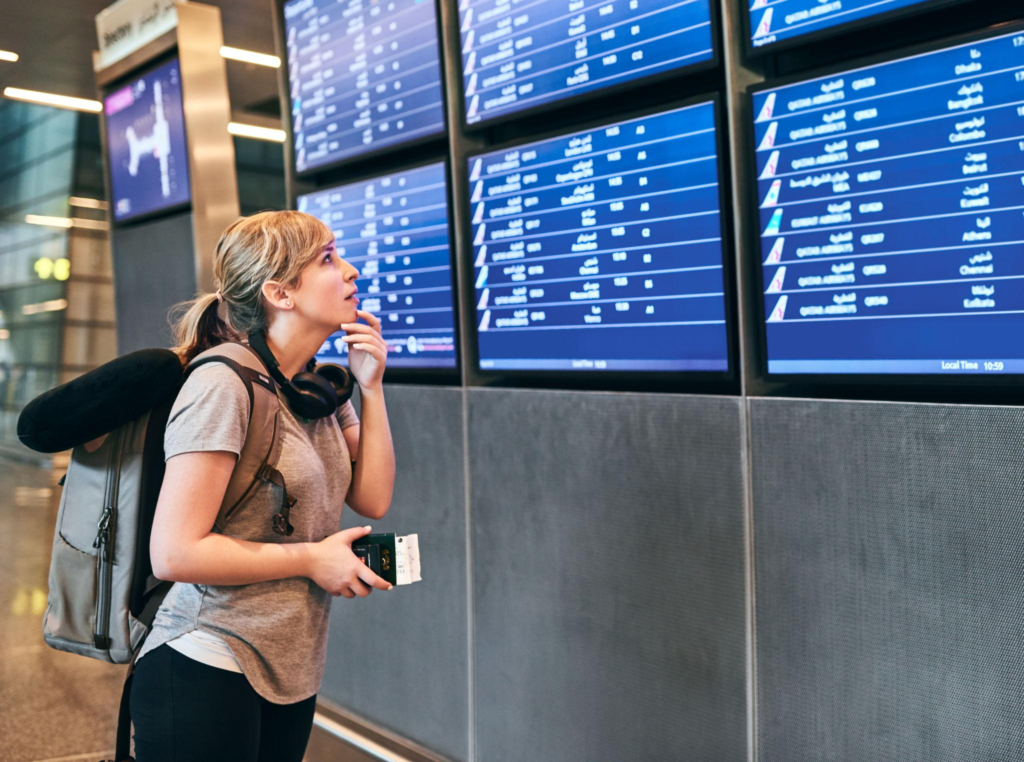
Why Was the Entry/Exit System Introduced?
For decades, passport stamps were the primary way border authorities recorded entries and exits.
Although that system worked, it also had several limitations.
For example:
- Passport stamps could become difficult to read.
- Travelers could accumulate dozens of stamps over time.
- Manual checks required additional time.
- Border officers had fewer automated verification tools.
The Entry/Exit System aims to modernize this process by recording travel information electronically.
Instead of relying entirely on passport stamps, border authorities will be able to verify travel records digitally.
Traditional Border Control vs. EES
| Traditional System | Entry/Exit System (EES) |
|---|---|
| Passport stamps | Digital records |
| Manual verification | Automated verification |
| Paper-based history | Electronic travel history |
| Limited automation | Increased use of biometric technology |
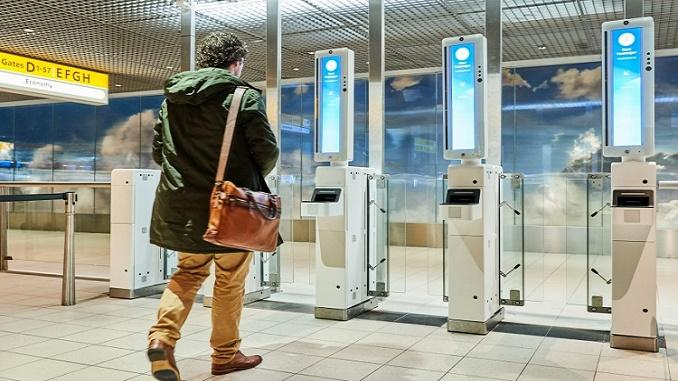
What Will Travelers Experience at the Airport?
Fortunately, most travelers won’t need to learn an entirely new process.
However, they may notice several additional steps.
Depending on the airport and the country they’re entering, travelers may be asked to:
- Scan their passport.
- Look into a camera for facial recognition.
- Provide fingerprints where required.
- Complete an automated border check.
These procedures are designed to improve both security and efficiency over time.
Initially, though, they may add a few extra minutes at border control.
What You May Notice
| Before | After |
|---|---|
| Passport stamped | Passport scanned electronically |
| Manual document check | Digital verification |
| Short inspection | Additional biometric verification (where applicable) |
| Fewer automated gates | Greater use of eGates |
Which Airports Could Experience Delays?
Although every airport is different, larger international hubs are generally expected to feel the greatest impact during the transition.
These include airports serving millions of international passengers every year.
Examples include:
- London
- Paris
- Amsterdam
- Madrid
- Rome
- Frankfurt
- Athens
That doesn’t necessarily mean every traveler will experience long waits.
However, it’s wise to allow extra time, especially during busy holiday periods.
Airport Preparation Tips
| Smart Habit | Why It Helps |
|---|---|
| Arrive earlier | Allows extra time for border procedures |
| Keep your passport accessible | Speeds up document checks |
| Follow airport signs | Helps you find the correct queue |
| Prepare before reaching the officer | Reduces delays for everyone |
Will Flights Be Delayed?
This is another common concern.
Fortunately, the new border systems do not directly affect flight schedules.
Airlines continue operating according to their planned timetables.
However, travelers who arrive late at passport control because of longer queues may risk missing boarding.
For this reason, airlines often recommend arriving at the airport earlier for international departures.
Border Delays vs. Flight Delays
| Border Queue | Flight Schedule |
|---|---|
| May take longer | Usually unchanged |
| Depends on passenger volume | Controlled by the airline |
| Can affect your arrival at the gate | Does not automatically delay the aircraft |
How Early Should You Arrive?
There isn’t one perfect answer for every airport.
However, international travel generally requires more preparation than domestic flights.
If you’re traveling to or from the Schengen Area, arriving early gives you additional time in case of:
- Long passport queues
- Security screening
- Terminal changes
- Unexpected delays
Otherwise, even a short delay at border control could make your airport experience much more stressful.
Suggested Arrival Times
| Flight Type | Suggested Arrival Time* |
|---|---|
| Domestic | Around 2 hours before departure |
| International | Around 3 hours before departure |
| Busy holiday periods | Consider additional time |
*Always follow your airline’s recommendations, as requirements vary.
How Does This Affect American Travelers?
Americans remain among the largest groups of visitors to Europe.
If you’re traveling from the United States:
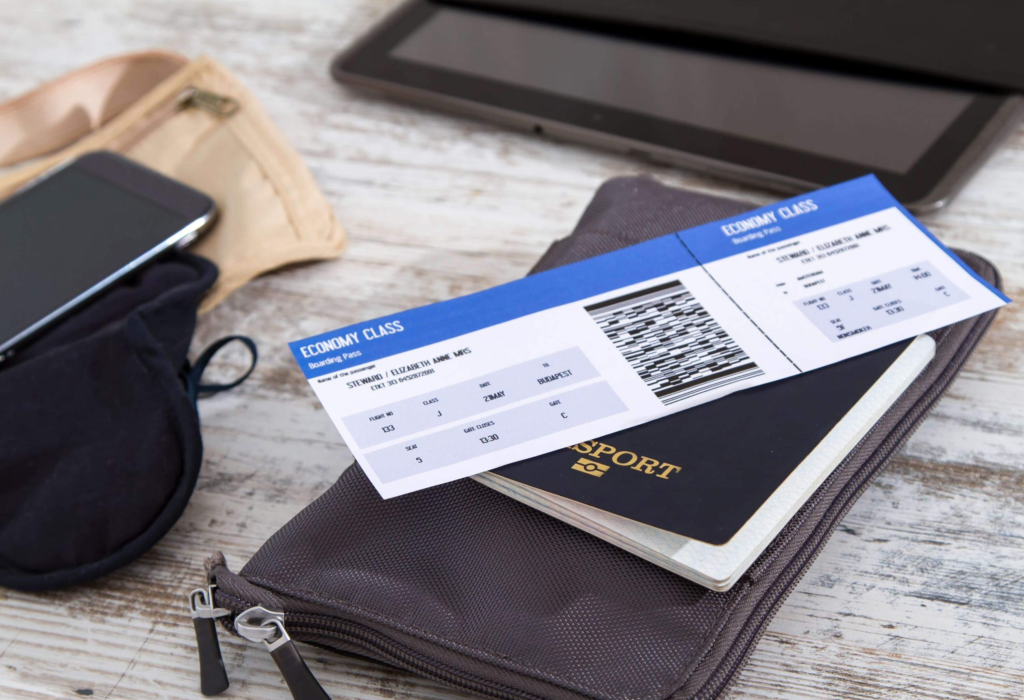
- Your passport must remain valid.
- Once ETIAS becomes operational, you’ll generally need an approved authorization before departure.
- Upon arrival, you’ll also be processed through the Entry/Exit System where applicable.
Fortunately, these new systems are intended to work together and simplify border management over time.
Example: U.S. Traveler
| Step | What Happens |
|---|---|
| Before departure | Apply for ETIAS (once available) |
| At the airport | Check in normally |
| At European border | Passport scanned and EES procedures completed where applicable |
| During your stay | Travel normally within the rules of your authorization |
How Does This Affect UK Travelers?
Since the United Kingdom is no longer part of the European Union, UK citizens traveling visa-free to participating European countries are also expected to require ETIAS once it is introduced.
Many British travelers have been confused because the implementation date has changed several times.
Fortunately, there is currently no need to apply until ETIAS officially launches.
Canadian, Australian & Other Travelers
The situation is very similar for many other visa-exempt countries.
Travelers from:
- Canada
- Australia
- New Zealand
- Japan
- Singapore
are expected to follow the same general process as U.S. travelers once ETIAS becomes operational.
Who Is Most Affected?
| Traveler | Impact |
|---|---|
| EU Citizens | Minimal |
| U.S. Visitors | Moderate |
| UK Visitors | Moderate |
| Canadian Visitors | Moderate |
| Australian Visitors | Moderate |
| Visa holders | Follow existing visa rules |
Common Mistakes Travelers Should Avoid
Whenever new travel rules are introduced, misinformation spreads quickly.
Fortunately, avoiding confusion is easier than many people think.
Don’t:
❌ Assume ETIAS has already started.
❌ Believe every social media post.
❌ Wait until the last minute to check entry requirements.
❌ Ignore updates from official authorities.
Instead:
✅ Verify requirements before booking.
✅ Monitor official announcements.
✅ Check your passport’s validity.
✅ Allow extra time at the airport.
Travel Preparation Checklist
| Before Flying | ✔ |
|---|---|
| Passport valid | ✅ |
| Latest travel rules checked | ✅ |
| Airline notifications enabled | ✅ |
| Airport arrival planned | ✅ |
| Travel documents organized | ✅ |
| Entry requirements confirmed | ✅ |
Expert Travel Tip
Travel rules can change over time.
For that reason, it’s always a good idea to review the latest official guidance a few weeks before departure—even if you booked your trip months in advance.
A few minutes of preparation can save you unnecessary stress at the airport.
Frequently Asked Questions (FAQ)
Is ETIAS active right now?
No.
At the time of writing, ETIAS has not yet entered into operation. European authorities have postponed its launch while work continues on the Entry/Exit System (EES). Travelers should continue following the current entry requirements until an official launch date is announced.
Has ETIAS been delayed again?
Yes.
European authorities have announced additional delays, mainly because the Entry/Exit System (EES) must be fully implemented before ETIAS can begin operating.
Will I need ETIAS if I’m from the United States?
Once ETIAS becomes operational, U.S. citizens traveling visa-free to participating Schengen countries are generally expected to obtain an approved ETIAS authorization before departure.
Do UK citizens need ETIAS?
Yes.
UK citizens traveling visa-free to participating Schengen countries are also expected to require ETIAS after it officially launches.
Do EU citizens need ETIAS?
No.
Citizens of European Union member states do not need ETIAS to travel within the European Union.
Is ETIAS the same as a visa?
No.
This is probably the most common misunderstanding.
ETIAS is not a visa.
Instead, it is an electronic travel authorization for eligible visa-exempt travelers.
Will ETIAS replace my passport?
No.
A valid passport will still be required.
ETIAS is linked electronically to your passport but does not replace it.
Will airport queues become longer?
Initially, yes.
Some airports may experience longer processing times while the Entry/Exit System is introduced.
However, once the system is fully operational, border procedures are expected to become more efficient over time.
The Biggest ETIAS Myths
Let’s quickly summarize some of the most common misconceptions circulating online.
| Myth | Reality |
|---|---|
| Everyone needs ETIAS | ❌ Only eligible visa-exempt non-EU travelers |
| ETIAS is a visa | ❌ It is a travel authorization |
| ETIAS has already started | ❌ Not yet |
| Europeans need ETIAS | ❌ EU citizens are exempt |
| Airport travel will become impossible | ❌ Airports may experience temporary adjustments, but travel continues normally |
Ultimate Europe Travel Checklist (2026)
Whether you’re traveling next month or next year, this checklist can help you prepare with confidence.
| Before Your Trip | Done |
|---|---|
| Passport valid | ✅ |
| Checked official entry requirements | ✅ |
| Verified whether ETIAS applies to your nationality | ✅ |
| Downloaded airline app | ✅ |
| Enabled flight notifications | ✅ |
| Purchased travel insurance | ✅ |
| Confirmed hotel reservation | ✅ |
| Downloaded offline maps | ✅ |
| Packed important travel documents | ✅ |
| Arriving early at the airport | ✅ |
Quick Summary
| Question | Answer |
|---|---|
| Is ETIAS active? | ❌ No |
| Has ETIAS been delayed? | ✅ Yes |
| Do Americans need ETIAS? | ✅ Once it launches |
| Do UK citizens need ETIAS? | ✅ Once it launches |
| Do Europeans need ETIAS? | ❌ No |
| Is ETIAS a visa? | ❌ No |
| Is EES different from ETIAS? | ✅ Yes |
Travel Tips Before Visiting Europe
Travel regulations continue to evolve.
Therefore, it’s always a good idea to review official travel information shortly before your departure.
Even if you booked your vacation months ago, requirements may change.
Fortunately, staying informed only takes a few minutes and can save you unnecessary stress at the airport.
Here are a few final recommendations:
✔ Check your passport’s expiration date.
✔ Follow updates from your airline.
✔ Review entry requirements before departure.
✔ Arrive at the airport earlier for international flights.
✔ Keep both digital and printed copies of important travel documents.
✔ Monitor official announcements regarding ETIAS and EES.
Being prepared today will help you enjoy a smoother journey tomorrow.
Final Thoughts
The introduction of ETIAS and the Entry/Exit System represents one of the biggest changes to European border procedures in recent years.
Although these updates may seem confusing at first, their purpose is to improve border management while maintaining safe and efficient travel throughout Europe.
Fortunately, for most travelers, the changes will be relatively straightforward.
The most important step is simply staying informed before your trip.
Rather than relying on outdated social media posts or rumors, always verify the latest information before traveling.
Europe remains one of the world’s most popular destinations, and with a little preparation, your journey can remain just as enjoyable as ever.

Still Have Questions? We’d Love to Help!
Planning a trip to Europe and still have questions about ETIAS, the Entry/Exit System (EES), or the latest travel requirements?
Our team is here to help.
If you’d like more information about this guide or need assistance planning your next trip, feel free to contact us.
📧 Email: info@triprefuge.com
We’ll be happy to answer your questions and help you travel with confidence.
About the Author
Alexandra Moldovan
Founder & Travel Content Creator at TripRefuge
Alexandra Moldovan is the founder of TripRefuge, a travel platform dedicated to helping travelers discover destinations, compare travel options, and plan unforgettable journeys with confidence.
Through detailed travel guides, airport tips, safety advice, destination inspiration, and booking resources, she aims to simplify travel planning for both first-time and experienced travelers.
Every article published on TripRefuge is carefully researched and written with a strong focus on accuracy, clarity, and practical value, helping readers make informed decisions before every trip.
🌍 Visit: TripRefuge.com
Internal Linking Suggestions
Link naturally to: