
Travel Scams to Avoid: Tricks Every Tourist Should Know:
Traveling is one of life’s greatest experiences. However, scammers continue to become more creative every year, targeting tourists who are unfamiliar with local customs, transportation systems, and payment methods.
In 2026, travel scams have evolved far beyond fake taxi drivers or overpriced souvenirs. Today, criminals also use fake booking websites, QR codes, artificial intelligence, cloned payment terminals, and convincing social engineering techniques.
The good news?
Most scams are surprisingly easy to avoid once you know what to look for.
This guide explains the most common travel scams in 2026, how they work, and—most importantly—how to protect yourself before they ruin your vacation.
Why Tourists Are Easy Targets
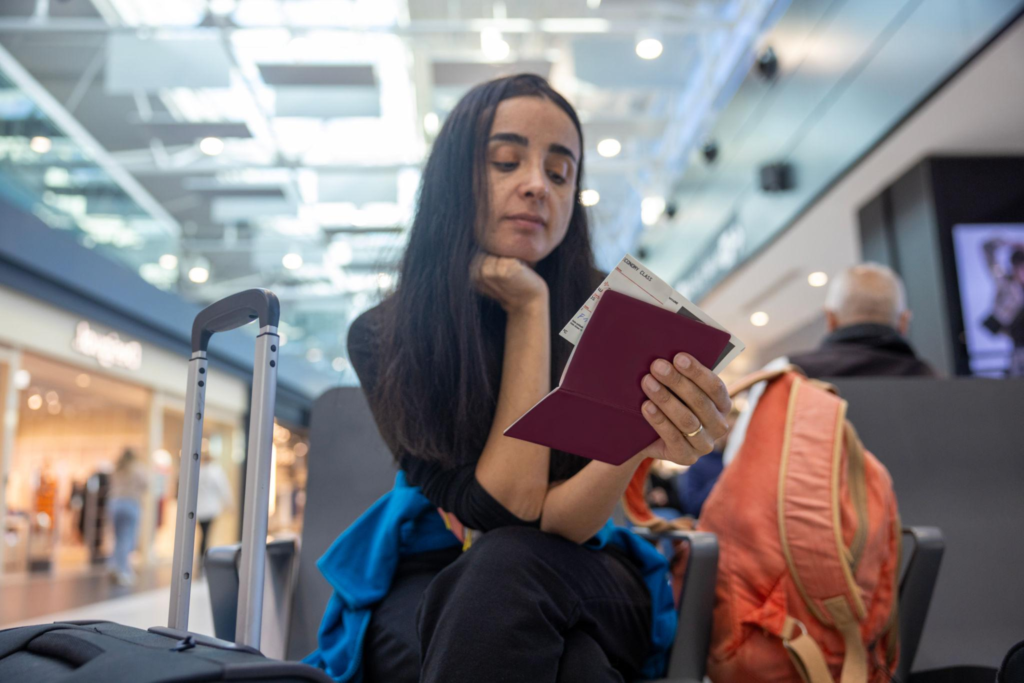
Tourists are often distracted, excited, and unfamiliar with their surroundings. As a result, scammers know they are more likely to trust strangers or make quick decisions.
Common reasons travelers become victims
| Situation | Why It Increases Risk |
|---|---|
| First visit to a destination | Limited local knowledge |
| Language barriers | Miscommunication |
| Jet lag | Poor decision making |
| Busy airports | Less attention to belongings |
| Tourist attractions | Crowded environments |
| Public transportation | Easy distractions |
Fortunately, awareness is often the best defense.
Quick Overview: The Biggest Travel Scams in 2026
| Scam | Risk Level | Common Locations |
|---|---|---|
| Fake Taxi Drivers | ⭐⭐⭐⭐ | Airports |
| Fake Booking Websites | ⭐⭐⭐⭐⭐ | Online |
| Pickpocket Teams | ⭐⭐⭐⭐⭐ | Tourist attractions |
| Currency Exchange Scam | ⭐⭐⭐ | Airports |
| Fake Police Officers | ⭐⭐⭐⭐ | Major cities |
| QR Code Scam | ⭐⭐⭐⭐ | Restaurants |
| Card Skimming | ⭐⭐⭐⭐⭐ | ATMs |
| Friendship Scam | ⭐⭐⭐ | Bars |
| Bracelet Scam | ⭐⭐ | Tourist monuments |
| Wi-Fi Scam | ⭐⭐⭐⭐ | Airports & Cafes |
This is only the beginning. Let’s explore each one in detail.
1. Fake Booking Websites
One of the fastest-growing scams in 2026 involves fake hotel and vacation booking websites.
These sites often look nearly identical to legitimate travel platforms. For example, scammers may copy logos, colors, reviews, and even customer support pages.
However, once payment is made, the reservation simply doesn’t exist.
Red Flags
✅ Prices that seem too good to be true
✅ No HTTPS security
✅ Poor grammar
✅ Only bank transfer accepted
✅ No customer reviews
Safety Tip: Always book through trusted travel platforms or verified websites like TripRefuge, which connects travelers with reputable booking partners.
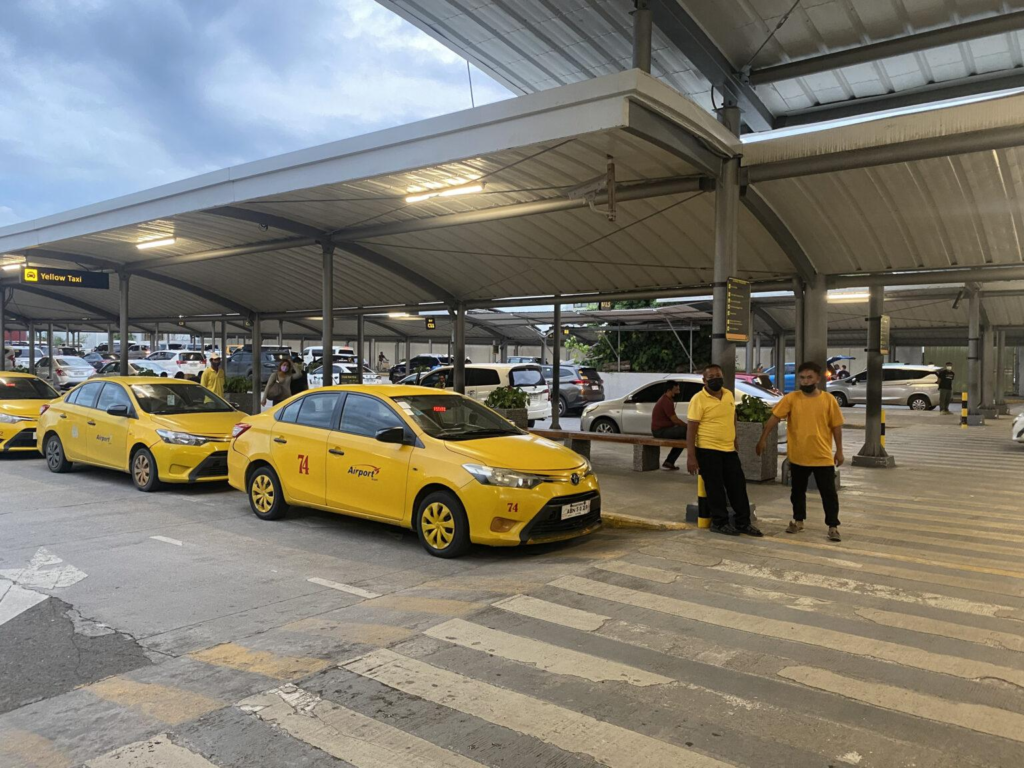
2. Airport Taxi Scam
Imagine arriving after a ten-hour flight.
You’re tired.
Someone approaches you inside the airport saying:
“Taxi? No waiting.”
Many travelers accept immediately.
Unfortunately, this often leads to inflated prices, fake meters, or unnecessary detours.
Safer Alternative
| Instead of… | Do This |
|---|---|
| Accepting offers inside terminal | Use official taxi line |
| Paying cash without receipt | Request receipt |
| Entering unmarked vehicles | Verify taxi license |
3. QR Code Scams
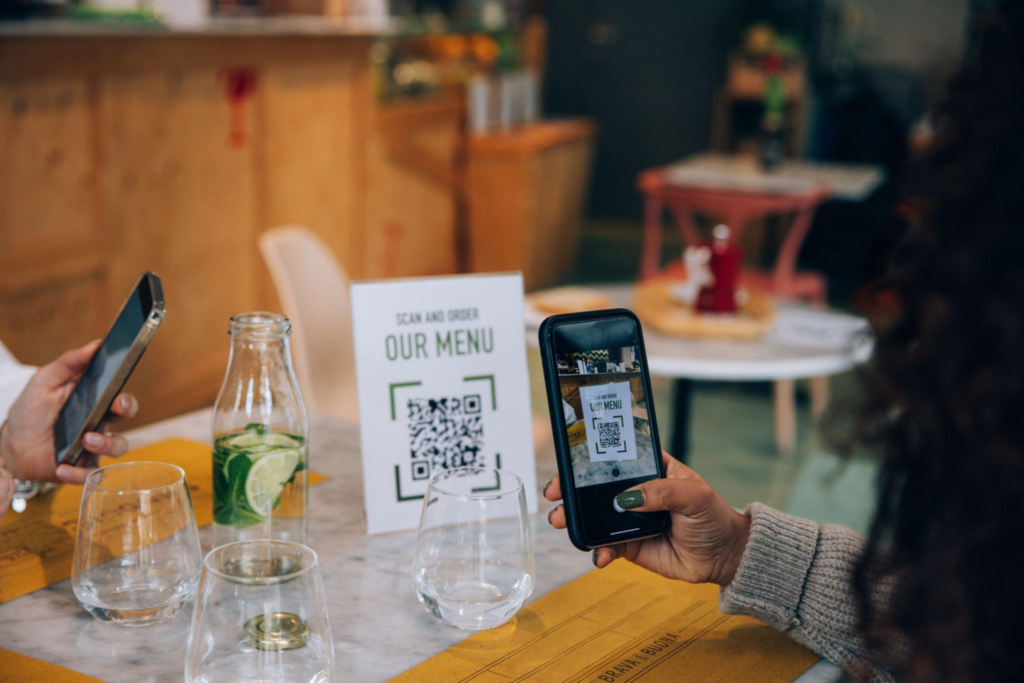
QR codes have become part of everyday travel. You’ll find them in restaurants, museums, airports, hotels, and even public transportation.
However, scammers have started replacing legitimate QR codes with fake ones.
For example, a fake QR code placed on a restaurant table could redirect you to a fraudulent payment page designed to steal your credit card information.
Fortunately, protecting yourself is simple.
Before scanning:
- Check if the QR code appears to be a sticker placed over another one.
- Make sure the website starts with https://.
- Never enter payment information on suspicious websites.
- If something feels unusual, ask a staff member for confirmation.
QR Code Safety Guide
| Safe Practice | Risky Practice |
|---|---|
| Verify the website before paying | Scan every QR code you see |
| Ask staff if unsure | Trust random QR codes in public |
| Use secure payment methods | Enter card details without checking the URL |
| Update your phone regularly | Ignore security warnings |
💡 Pro Tip
Many smartphones now preview the website before opening it.
Take a second to read the address.
That one second could save your bank account.
4. ATM Card Skimming
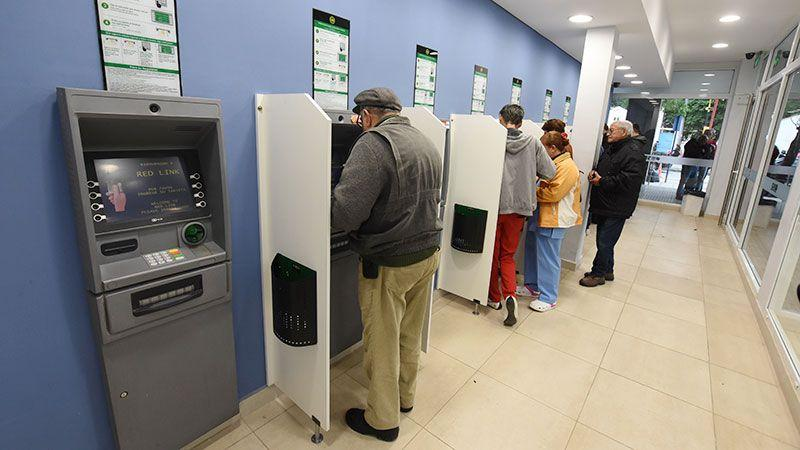
Even in 2026, ATM skimming remains one of the most expensive travel scams.
Criminals secretly install small devices over card readers.
These devices copy your card information while hidden cameras record your PIN.
As a result, your bank account may be emptied before you even notice.
Fortunately, prevention is easier than dealing with stolen money.
Before Using Any ATM
| Always Do | Never Do |
|---|---|
| Use ATMs inside banks | Use isolated ATMs at night |
| Cover your PIN | Type your PIN openly |
| Inspect the card reader | Ignore loose parts |
| Enable banking notifications | Wait days to check your account |
5. Fake Public Wi-Fi
Free Wi-Fi sounds convenient.
However, not every network belongs to the airport, café, or hotel.
Scammers often create networks with names such as:
- Free Airport Wi-Fi
- Hotel Guest Wi-Fi
- Free Internet
Once connected, they may intercept personal information.
For example:
- Email passwords
- Credit card details
- Banking information
Instead, use your mobile data whenever possible or connect only to verified networks provided by the business.
Secure Internet Checklist
| Better Choice | Why |
|---|---|
| Mobile Data | Most secure option |
| Trusted VPN | Encrypts your connection |
| Official Hotel Wi-Fi | Ask reception for the correct network |
| Banking on Public Wi-Fi | ❌ Avoid whenever possible |
6. Fake Police Officers
This scam has existed for years but still catches travelers by surprise.
Someone approaches wearing what appears to be an official uniform.
They politely ask to inspect your passport and wallet.
Moments later…
Cash is missing.
Fortunately, genuine police officers follow official procedures.
If you’re uncertain:
- Ask for identification.
- Request to go to the nearest police station.
- Never hand over your wallet unless you’re legally required to do so.
Warning Signs
| Situation | Risk Level |
|---|---|
| Officer refuses to show ID | ⭐⭐⭐⭐⭐ |
| Wants cash immediately | ⭐⭐⭐⭐⭐ |
| Refuses to go to a police station | ⭐⭐⭐⭐⭐ |
| Stops only tourists | ⭐⭐⭐⭐ |
7. Friendship Scam
This scam often targets solo travelers.
Someone starts a friendly conversation.
Everything seems completely normal.
Later they invite you:
- To a bar
- To a nightclub
- To a private event
Unfortunately, the evening often ends with an extremely expensive bill—or worse.
That doesn’t mean you should avoid meeting people while traveling.
However, it’s wise to be cautious when invitations come from complete strangers shortly after meeting them.
Stay Safe While Socializing
| Good Practice | Avoid |
|---|---|
| Meet in public places | Going to private apartments immediately |
| Tell someone where you’re going | Disappearing without informing anyone |
| Pay only your own bill | Allow strangers to order for you |
8. Fake Hotel Reception Calls
Imagine you’ve just checked into your hotel.
A few minutes later, your room phone rings.
The caller says:
“Hello, this is reception. There was a problem with your payment. Could you please confirm your credit card details?”
It sounds believable.
However, scammers sometimes call guests pretending to be hotel staff.
Never provide payment information over the phone.
Instead:
Hang up.
Walk to the reception desk.
Confirm everything in person.

Hotel Safety Tips
| Do This | Don’t Do This |
|---|---|
| Visit reception personally | Give card details over the phone |
| Lock valuables in the safe | Leave passports unattended |
| Verify unexpected requests | Assume every caller is staff |
9. Overpriced Currency Exchange
Many travelers exchange money at the first counter they see inside the airport.
Unfortunately, convenience often comes at a price.
Poor exchange rates and hidden commissions can cost you far more than expected.
Before exchanging money:
✔ Compare rates.
✔ Ask about additional fees.
✔ Calculate the final amount.
Otherwise, you may lose a significant percentage of your money before your vacation even begins.
Exchange Comparison
| Option | Usually Best Value |
|---|---|
| Local Bank ATM | ⭐⭐⭐⭐⭐ |
| Bank Exchange Office | ⭐⭐⭐⭐ |
| City Exchange Office | ⭐⭐⭐ |
| Airport Exchange Counter | ⭐⭐ |
10. Pickpocket Teams
Pickpockets rarely work alone.
Instead, they work as organized teams.
For example:
One person asks for directions.
Another accidentally bumps into you.
Meanwhile…
Someone else quietly steals your wallet.
These scams happen quickly and often in crowded tourist areas.
Fortunately, awareness is your greatest protection.
Keep valuables close, avoid open backpacks, and stay alert in busy places.
The Most Common Places for Pickpockets
| Location | Risk |
|---|---|
| Airports | ⭐⭐⭐ |
| Train Stations | ⭐⭐⭐⭐⭐ |
| Tourist Attractions | ⭐⭐⭐⭐⭐ |
| Festivals | ⭐⭐⭐⭐ |
| Public Transport | ⭐⭐⭐⭐⭐ |
| Busy Markets | ⭐⭐⭐⭐ |
11. Fake Travel Agencies
Not every travel agency you find online is legitimate.
In recent years, scammers have created convincing websites and social media pages that advertise luxury vacations at unbelievably low prices. They often use stolen photos, fake reviews, and even copied company logos.
For example, you might pay for a “luxury resort” only to discover that your reservation never existed.
Fortunately, there are several ways to verify a travel agency before making a payment.
How to Spot a Fake Travel Agency
| Legitimate Agency | Fake Agency |
|---|---|
| Secure HTTPS website | No HTTPS or suspicious URL |
| Real customer reviews | Only perfect reviews |
| Multiple payment options | Bank transfer only |
| Clear contact information | No phone number or address |
| Transparent cancellation policy | No refund policy |
💡 Pro Tip
Before booking, search the company’s name followed by words like “reviews,” “complaints,” or “scam.” Spending five minutes researching can save you hundreds—or even thousands—of dollars.
12. Rental Car Damage Scam
Renting a car gives you freedom to explore.
However, some dishonest rental companies may try to charge you for damage that was already there.
For example, tiny scratches or dents might suddenly become “your responsibility” when returning the vehicle.
Fortunately, this scam is easy to avoid.
Before driving away:
- Take photos of every side of the car.
- Record a short video.
- Photograph the mileage.
- Check the fuel level.
- Report any existing damage immediately.
Rental Car Checklist
| Before Driving Away | Done |
|---|---|
| Photos taken | ✅ |
| Video recorded | ✅ |
| Fuel level checked | ✅ |
| Existing scratches reported | ✅ |
| Rental agreement reviewed | ✅ |
13. Fake Tourist Guides
Popular attractions often attract unofficial guides who promise:
- “VIP access”
- “No waiting”
- “Special price today”
However, many simply collect money and disappear—or provide inaccurate information.
Instead, book tours through trusted providers or official visitor centers whenever possible.
Official vs. Unofficial Tours
| Official Guide | Unofficial Guide |
|---|---|
| Licensed | No visible identification |
| Fixed pricing | Price changes constantly |
| Verified reviews | No online presence |
| Receipts available | Cash only |
14. SIM Card Scam
Buying a local SIM card can save money.
However, scammers sometimes sell:
- Already activated SIM cards
- Expired packages
- Fake data plans
Fortunately, the solution is simple.
Purchase SIM cards only from:
- Official mobile stores
- Airport kiosks operated by telecom companies
- Authorized retailers
Safe Places to Buy a SIM Card
| Recommended | Avoid |
|---|---|
| Official telecom stores | Street sellers |
| Airport provider kiosks | Individuals approaching tourists |
| Large electronics stores | Unverified online sellers |
15. AI Voice & Message Scams
Artificial intelligence has made scams more convincing than ever.
For example, criminals may use AI-generated voices or realistic text messages pretending to be:
- Airlines
- Hotels
- Banks
- Family members
You might receive a message saying:
“Your flight has been cancelled. Click here to rebook.”
The message looks genuine—but the link leads to a fake website.
Stay Safe
- Never click unexpected links.
- Open the airline’s official app instead.
- Verify messages through official customer support.
AI Scam Red Flags
| Sign | Why It Matters |
|---|---|
| Urgent language | Creates panic |
| Suspicious links | May steal information |
| Requests for payment | Common scam tactic |
| Unexpected attachments | Could contain malware |
16. Fake Charity Collectors
Many scammers pretend to collect donations for children, hospitals, or local charities.
They often carry clipboards, badges, or printed documents.
While some charities are genuine, others are not.
If you want to donate, do so through verified organizations rather than giving cash on the street.
Before Donating
| Ask Yourself | Why |
|---|---|
| Is the organization registered? | Confirms legitimacy |
| Can I verify the charity online? | Prevents fraud |
| Are they pressuring me? | Pressure is a warning sign |
17. Fake “Broken” ATM
Some ATMs are deliberately tampered with.
For example:
The machine keeps your card.
Moments later, someone nearby “offers help.”
Instead of accepting assistance:
- Contact your bank immediately.
- Report the ATM.
- Stay at the location if it’s safe until assistance arrives.
ATM Safety
| Good Habit | Avoid |
|---|---|
| Use ATMs inside banks | Isolated ATMs |
| Cover your PIN | Let others watch |
| Inspect the machine | Ignore unusual parts |
18. Free Gift Scam
You may be offered:
- A flower
- A bracelet
- Bird food
- A souvenir
It sounds free.
However, once you accept it, the scammer demands payment.
If you refuse, they may become aggressive or try to embarrass you.
The safest response?
Smile politely.
Say “No, thank you.”
Keep walking.
Common “Free Gift” Scams
| Free Item | What Happens Next |
|---|---|
| Bracelet | Asked for money |
| Flower | Donation demanded |
| Souvenir | Inflated price |
| Bird food | Charged unexpectedly |
Travel Safety Scorecard
Before every trip, ask yourself:
| Question | Yes | No |
|---|---|---|
| Have I researched common scams at my destination? | ✅ | ⬜ |
| Are my bookings from trusted websites? | ✅ | ⬜ |
| Do I have travel insurance? | ✅ | ⬜ |
| Have I saved emergency contacts? | ✅ | ⬜ |
| Do I have backup payment methods? | ✅ | ⬜ |
| Are digital copies of my documents stored securely? | ✅ | ⬜ |
19. Fake Apartment Rental Scam
Vacation rentals have become increasingly popular.
Unfortunately, scammers know this.
They copy photos from legitimate listings and advertise luxury apartments at unbelievably low prices.
After receiving your payment…
They disappear.
Or worse, the apartment doesn’t exist.
Stay Safe
✔ Book through trusted travel platforms.
✔ Read recent reviews.
✔ Never pay outside the official booking platform.
✔ Avoid pressure to “book immediately.”
Apartment Booking Safety
| Safe Booking | Risky Booking |
|---|---|
| Verified platform | Random social media ad |
| Secure online payment | Direct bank transfer |
| Verified reviews | No reviews |
| Cancellation policy | No written agreement |
20. Fake Tour Tickets
Someone standing outside a famous attraction says:
“Official tickets! No waiting!”
Sounds convenient…
However, the ticket may be fake or already used.
As a result, you’ll lose both your money and your chance to visit the attraction.
Instead, buy tickets from:
- Official websites
- Authorized ticket offices
- Trusted travel partners
21. Restaurant Menu Scam
Some restaurants in tourist areas display attractive prices outside.
However…
Once you sit down:
- Hidden service fees appear.
- Bread or bottled water is added automatically.
- Different menus are provided to tourists.
Before ordering:
✔ Ask if there are additional charges.
✔ Request the menu with prices.
✔ Check recent online reviews.
Restaurant Red Flags
| Warning Sign | Risk |
|---|---|
| No prices shown | ⭐⭐⭐⭐ |
| Cash only | ⭐⭐⭐ |
| Staff refuses menu | ⭐⭐⭐⭐⭐ |
| No receipt offered | ⭐⭐⭐⭐ |
22. Fake Currency Notes
Receiving counterfeit money isn’t common, but it still happens in busy tourist areas.
Always:
- Count your money.
- Check large banknotes.
- Exchange money only at reputable locations.
Otherwise, you may discover the problem only when trying to spend the cash.
23. Social Media Travel Giveaway Scam
You receive a message saying:
🎉 Congratulations! You won a free vacation!
All you need to do is…
- Pay taxes.
- Pay “processing fees.”
- Enter your bank details.
Real companies rarely contact winners this way.
If you never entered a giveaway, you almost certainly didn’t win one.
Giveaway Safety Checklist
| Question | If “No”… |
|---|---|
| Did I enter the giveaway? | It’s probably a scam. |
| Is the account verified? | Be cautious. |
| Is payment required? | Walk away. |
| Is the offer realistic? | Think twice. |
24. Fake Customer Support
Scammers create fake customer support numbers for airlines, hotels, and travel companies.
Travelers searching online sometimes call these fake numbers by mistake.
The “agent” then requests:
- Credit card details
- Banking information
- Remote access to your device
Instead, always contact customer support through the company’s official website or mobile app.
25. The “Too Good to Be True” Deal
This is perhaps the oldest travel scam of all.
Luxury resort.
Private beach.
Unlimited meals.
75% discount.
Available today only.
However…
If an offer seems far cheaper than every competitor, take a moment to investigate before booking.
Sometimes an incredible bargain is genuine—but it’s always worth verifying the source first.
The Ultimate Travel Safety Checklist
Use this checklist before every trip.
| Before You Travel | Done |
|---|---|
| Passport valid | ✅ |
| Travel insurance purchased | ✅ |
| Hotel booked through trusted platform | ✅ |
| Flight confirmed | ✅ |
| Digital copies of documents saved | ✅ |
| Emergency contacts stored | ✅ |
| Offline maps downloaded | ✅ |
| Bank notified (if needed) | ✅ |
| Backup payment method packed | ✅ |
| Common scams researched | ✅ |
Quick Summary
| Always Do | Never Do |
|---|---|
| Research common scams | Trust strangers immediately |
| Book through trusted platforms | Send money outside official booking systems |
| Check reviews | Ignore warning signs |
| Keep valuables secure | Carry everything in one bag |
| Verify websites before paying | Click suspicious links |
| Trust your instincts | Let yourself be rushed into decisions |
Frequently Asked Questions
What is the most common travel scam in 2026?
Online booking scams, QR code scams, ATM skimming, and organized pickpocket teams remain among the most frequently reported travel scams.
Are tourist scams becoming more advanced?
Yes.
Artificial intelligence, cloned websites, fake customer support, and QR code scams have made travel fraud more convincing than ever.
However, staying informed greatly reduces your risk.
Should I use public Wi-Fi while traveling?
Public Wi-Fi can be useful, but avoid logging into banking or other sensitive accounts unless you’re using a trusted, secure connection.
Is travel insurance worth it?
For many travelers, yes.
It can help with medical emergencies, trip interruptions, lost luggage, and other unexpected situations.
Review the policy carefully to understand what is and isn’t covered.
How can I protect my credit card while traveling?
- Use bank-operated ATMs.
- Enable transaction notifications.
- Keep your card within sight when paying.
- Regularly review your account activity.
Final Thoughts
Travel should create memories—not problems.
Fortunately, most travel scams can be avoided with preparation, awareness, and a healthy level of caution.
Remember that the overwhelming majority of people you’ll meet while traveling are honest and welcoming. The goal isn’t to become suspicious of everyone; it’s simply to recognize common warning signs and make informed decisions.
By researching your destination, securing your valuables, using trusted booking platforms, and staying alert, you’ll dramatically reduce your chances of becoming a victim.
Travel confidently, stay curious, and enjoy discovering the world.
Safe travels! 🌍✈️
Internal Linking Suggestions
Link this article to related TripRefuge content, such as: