

Monsanto, the “most Portuguese village in Portugal” — granite houses built around 800-year-old boulders.
Portugal has officially graduated from “up-and-coming” to “everyone’s favorite” — and the result is that Lisbon, Porto, and the Algarve now feel crowded in 2026. The good news: the country still hides some of Europe’s most beautiful corners, and most travelers haven’t found them yet.
This guide covers 10 overlooked Portuguese destinations — from a stone village in Trás-os-Montes that time forgot, to a wild Atlantic beach in the Alentejo where the only footprints are your own. Every entry includes practical 2026 prices, how to get there, and what to expect — based on a research trip in May 2026.
1. Monsanto — The “Most Portuguese Village in Portugal”
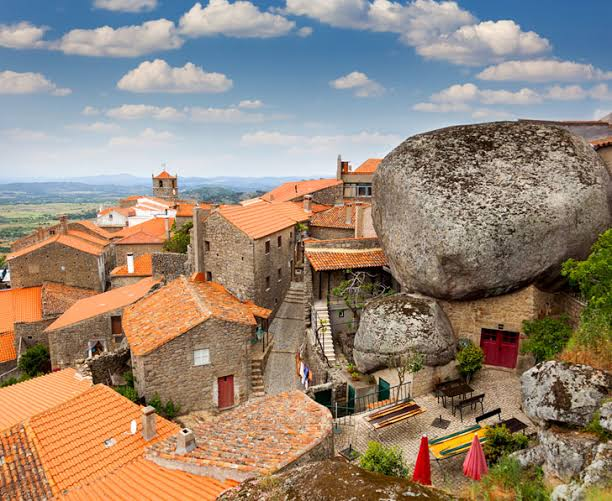
Perched on a granite hillside in the interior northeast, Monsanto looks like a film set for a medieval fantasy. Houses are literally built between, under, and around giant boulders — some roofs are actual rocks. It’s officially classified as the “most Portuguese village in Portugal.”
How to get there: Drive from Porto (~2.5h) or Lisbon (~3.5h) — the nearest train station is 12km away in Idanha-a-Velha. A rental car is the only practical option.
Where to stay: Casas do Monsanto — restored stone houses from around €80/night in 2026.
What to do: Walk the cobbled streets at golden hour, hike the Monsanto castle ruins, eat javali (wild boar) at the local tasca. The village is tiny — one night is enough, but you’ll want to stay longer.
2. Piódão — A Schist Village in the Mountains
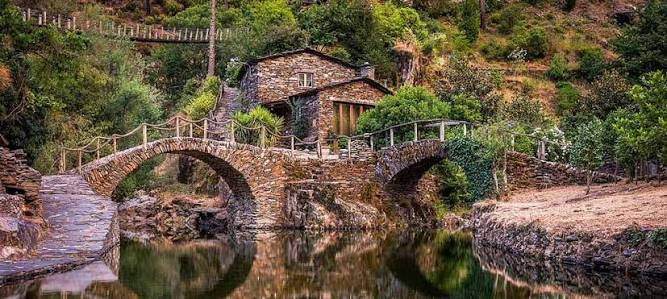
Another “historical village” in the Serra do Açor mountains, Piódão is famous for its dark-slate schist houses with blue-painted doors and window frames. Similarly, in winter, it can be snowed in; in summer, it’s a quiet escape from the coast.
Moreover, driving is the sole option to reach the remote district of Coimbra, around two hours from the city. Public transport exists but is slow and infrequent.
For instance, stay at Casas do Piódão — schist cottages with wood fireplaces, from around €95/night.
3. Comporta — The Hamptons of Lisbon (Without the Crowds)
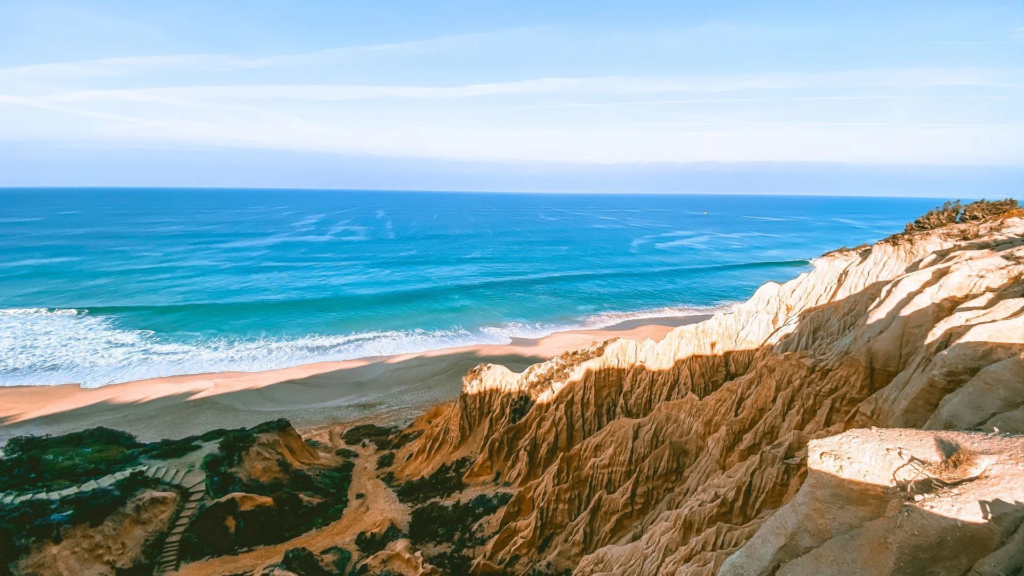
Today, an hour south of Lisbon, Comporta reflects what Cascais was 30 years ago. Whitewashed houses on stilts, pine forests rolling onto empty white-sand beaches, and a slow-food restaurant scene that draws Lisbon weekenders but still flies under most tourists’ radar.
In addition, drive from Lisbon (~1.5h) — there is no direct train. Park in the village and cycle or take a tuk-tuk to the beach.
As a result, consider Sublime Comporta at about €280/night or Casa da Crique for a lower-price stay.
4. Tavira — The Algarve Without the Crowds

If you picture the Algarve as high-rise hotels and British pubs, Tavira will reset your expectations. Additionally, this whitewashed town in eastern Algarve has a 13th-century castle, a Roman bridge, and a ferry-access island beach. It’s where Portuguese families actually go on holiday.
How to get there: Train from Faro (~30 min) or Lisbon (~3h via the new high-speed service that started in 2024).
Where to stay: Pousada Convento de Tavira — a 16th-century convent conversion, around €140/night in 2026.
5. Évora — Alentejo’s White City

Évora is in the Alentejo — a region of cork oaks, vineyards, and slow time. The city itself is a UNESCO World Heritage site, with a Roman temple, a medieval cathedral, and the haunting Chapel of Bones (Capela dos Ossos) lined with the bones of 5,000 monks.
How to get there: Train from Lisbon (~1.5h, several daily). Easy day trip or overnight stay.
Where to stay: Convento do Espinheiro — a 15th-century convent, now a luxury hotel from around €220/night.
6. Marvão — A Castle in the Clouds
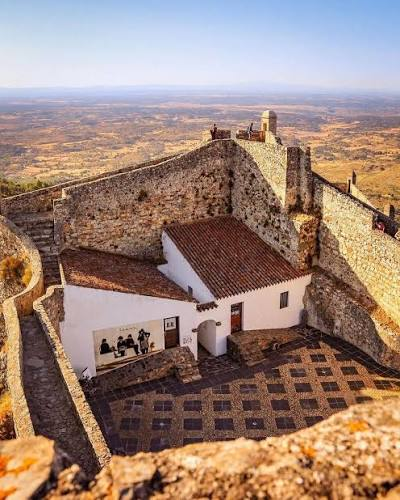
Furthermore, Marvão is a medieval village crowned by a 13th-century castle, perched 862m up in the Serra de São Mamede. On a clear day you can see all the way into Spain. It’s tiny, quiet, and feels like a secret — even in August.
How to get there: Drive only, via Portalegre (1.5h from Évora). The roads are winding but the views are worth it.
Where to stay: Pousada Marvão — inside the castle walls, from around €150/night.
7. Aveiro — Portugal’s Little Venice

A coastal town 45 minutes south of Porto, Aveiro is famous for its moliceiros — colorful striped boats that look like Venetian gondolas. The Art Nouveau buildings along the canal are unique in Portugal, and the nearby Costa Nova has striped fishermen’s houses that look like a Wes Anderson set.
How to get there: Train from Porto (~1h, frequent). Easy day trip from Porto.
What to do: Take a moliceiro ride (€8 for 45 min), try the local ovos moles (sweet egg-yolk treats), cycle to Costa Nova and back (~12km, flat).
8. Berlengas Islands — Portugal’s Secret Archipelago

An hour by ferry from Peniche, the Berlengas archipelago is a nature reserve with crystal-clear water, sea caves, and a 17th-century fortress on the main island. Most Portuguese know about it; almost no tourists make the trip.
How to get there: Drive or bus to Peniche (~1h from Lisbon), then ferry to Berlengas (€20-30 round trip, 1.5h each way).
What to do: Swim in the bay, take a glass-bottom boat tour of the sea caves, hike the short trail to the fort. Bring water, sunscreen, and your own food — there’s nothing on the island except one restaurant.
9. Sortelha — A Walled Village Frozen in Time
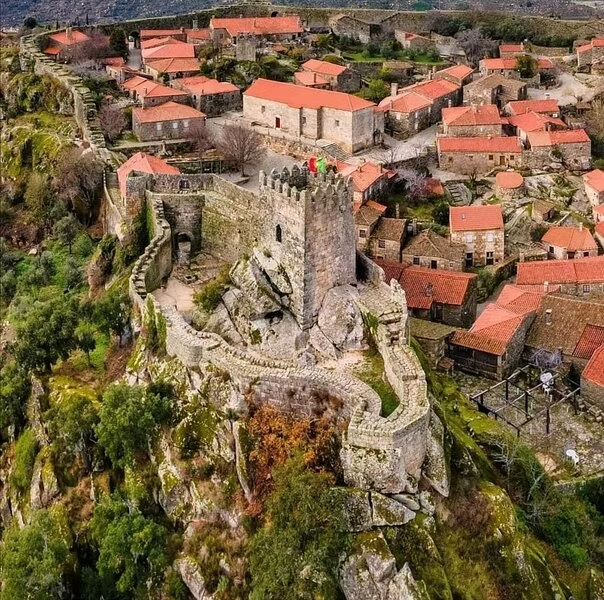
One of the oldest and most well-preserved medieval villages in Portugal, Sortelha sits inside a 12th-century castle wall on a granite outcrop near the Spanish border. The village has fewer than 300 residents and almost no cars — you can walk end to end in 15 minutes.
How to get there: Drive only — 1.5h from Guarda, 2.5h from Porto. The roads are scenic but slow.
Where to stay: Casa da Vila — a restored granite house, from around €90/night.
10. Odeceixe — The Algarve’s Last Wild Beach
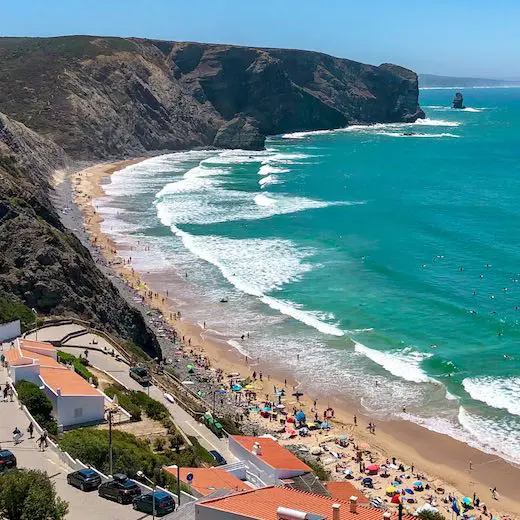
The Vicentine Coast (Costa Vicentina) is the southwestern corner of Portugal — wild, rugged, and barely developed. Odeceixe is the northernmost beach of the Algarve proper, where the cliffs and the sea meet a quiet fishing village. No high-rises, no crowds — just cliffs, surf, and seafood.
How to get there: Drive — 2.5h from Lisbon via the A2 and then south on the N120. Or bus to Aljezur, then local taxi.
Where to stay: Casa Verde — a small guesthouse near the beach, from around €70/night.
| Destination | Region | Best for | How to get there | Stay from (€/night, 2026) |
|---|---|---|---|---|
| Monsanto | Beira Interior | Medieval charm | Drive (2.5h from Porto) | €80 |
| Piódão | Serra do Açor | Schist village | Drive (2h from Coimbra) | €95 |
| Comporta | Setúbal coast | Beach + slow food | Drive (1.5h from Lisbon) | €180 |
| Tavira | Eastern Algarve | Beach + culture | Train (30 min from Faro) | €140 |
| Évora | Alentejo | History + wine | Train (1.5h from Lisbon) | €130 |
| Marvão | Alentejo mountains | Castle + views | Drive (1.5h from Évora) | €150 |
| Aveiro | Centro coast | Boats + Art Nouveau | Train (1h from Porto) | €85 |
| Berlengas | Off Peniche | Island + nature | Ferry from Peniche | n/a (day trip) |
| Sortelha | Beira Interior | Walled village | Drive (2.5h from Porto) | €90 |
| Odeceixe | Vicentine Coast | Wild beach | Drive (2.5h from Lisbon) | €70 |
How to Plan a 2-Week Portugal Hidden Gems Trip
A realistic 14-day loop that hits 5–6 of these gems without rushing:
- Days 1–2: Fly into Lisbon, recover, day trip to Évora.
- Days 3–4: Drive to Monsaraz or Marvão, then south to Odeceixe via the Vicentine Coast.
- Day 5: Odeceixe to Tavira (2h drive along the south coast).
- Day 6: Tavira, take the ferry to the island beach.
- Days 7–8: Drive west to Comporta, stay 1–2 nights, beach + slow food.
- Day 9: Drive to Berlengas (Peniche), day trip to the islands.
- Days 10–11: Drive to Aveiro, day trip from Porto.
- Days 12–13: Drive inland to Piódão or Monsanto.
- Day 14: Return to Porto, fly out.
For a 4-day compressed trip, skip the north: Lisbon → Évora (day trip) → Comporta (2 nights) → Tavira (1 night) → fly out from Faro.
When to Go
- May–June: Best overall. Warm but not hot, fewer crowds, wildflowers on the Alentejo plains.
- September–October: Second-best. The summer crowds are gone, the sea is still warm enough to swim (Algarve ~22°C in October).
- July–August: Hot (Alentejo hits 40°C+), crowded, expensive. Skip if you can.
- November–March: Quiet, cheap, rainy. Some interior roads close. Skip unless you want empty villages and fireplace pousadas.
How to Get Around
Rental car is essential for most of these destinations. A small manual Fiat 500 or Renault Clio rents for around €25-40/day in 2026, booked in advance. Roads are good but winding in the interior. For just Lisbon + the coast, you can skip the car and use trains + Uber.
Compare rental prices on DiscoverCars or Expedia for package deals with flights.
For flights into Lisbon or Faro, check Trip.com or Booking.com‘s flight + car combos, often cheaper than booking separately.
Budget Tips for 2026
- Eat where the locals eat. A full lunch (prato do dia) at a tasca in the interior runs €8-12. Skip the tourist menus in Lisbon and the Algarve.
- Stay in pousadas for one night. Portugal’s historic-pousada network is unique — old convents, castles, monasteries converted to hotels. Treat yourself for one night per trip.
- Skip August. Prices double, beaches are packed, and the interior hits 40°C+.
- Tap water is drinkable. Bring a refillable bottle. Bottled water in restaurants can be €2-3.
- Cash is still useful in the smaller villages — many tascas don’t take cards.
Final Thoughts
Portugal in 2026 is no longer Europe’s best-kept secret — but it still has secrets. The 10 places on this list are not “hidden” in the absolute sense (locals know them well), but they are off the tourist trail in a way that even well-traveled visitors to Lisbon and Porto often miss. Pick three or four, add them to a 2-week loop, and you’ll see the Portugal that most travelers don’t.
For more slow-travel inspiration in Iberia, see our best budget trips in Europe for 2026 and our complete Eurail guide for 2026.
Can I book my entire trip through TripRefuge?
Yes. Through TripRefuge, you can compare and book:
—all in one place through trusted travel partners, making your trip planning easier and more convenient.
✍️ About the Author
Alexandra Moldovan
Founder & CEO – TripRefuge
Alexandra Moldovan is the founder of TripRefuge, an independent travel platform created to help travelers discover amazing destinations, trusted travel partners, and unforgettable experiences around the world.
Passionate about travel, digital marketing, and authentic local experiences, she created TripRefuge with one simple mission:
To make travel planning easier, more transparent, and more inspiring for everyone.
Every destination guide published on TripRefuge is carefully researched to provide practical travel advice, helpful tips, and trustworthy recommendations for travelers looking to explore the world with confidence.
When you book through TripRefuge, you pay the same price, while helping support an independent travel project dedicated to creating free travel content and promoting trusted local businesses.
🌍 Explore more. Worry less.
📚 You May Also Like
If you enjoyed this guide, you may also like:
- Best Budget Trips in Europe for 2026
- How to Travel Europe by Train in 2026 (Eurail Guide)
- Cheapest European Cities to Fly Into in 2026
- 25 Incredible Weekend Getaways
- Everything Travelers Need to Know Before Traveling in 2026
Related Travel Guides
- Best Budget Trips in Europe for 2026 — country-by-country cost breakdowns and where the deals hide.
- Cheapest European Cities to Fly Into in 2026 — gateway hubs that pair perfectly with a Portugal trip.
- How to Travel Europe by Train in 2026 (Eurail Guide) — train into Lisbon, drive the gems, fly out from Faro.
- 25 Incredible Weekend Getaways — short Portuguese city breaks designed for 2–3 nights.
- Everything Travelers Need to Know Before Traveling in 2026 — entry rules, ETIAS, insurance, and prep for the Iberian peninsula.