
How to travel more? Many people dream of traveling more but believe they don’t have enough money, time, or freedom. The truth is that most frequent travelers are not wealthy, retired, or working from tropical beaches. They simply understand how to manage their resources differently.
In this guide, you’ll learn practical strategies that can help you travel more, reduce stress, create memorable experiences, and build a lifestyle that balances work, personal responsibilities, and adventure.
Why Most People Never Travel as Much as They Want
Ask someone why they don’t travel more, and you’ll often hear one of these answers:
- “I don’t have enough money.”
- “I don’t have enough vacation days.”
- “Maybe next year.”
- “I’m too busy right now.”
While these reasons are understandable, they often hide a deeper issue: waiting for the perfect moment.
The perfect salary rarely arrives.
The perfect schedule rarely appears.
The perfect opportunity often comes only after we decide to make room for it.
The people who travel regularly aren’t necessarily luckier. They’ve simply learned that experiences need to be planned, prioritized, and protected.
The Three Resources That Control Your Ability to Travel
Most people focus entirely on money.
In reality, travel depends on three resources:
| Resource | Why It Matters |
|---|---|
| Time | Determines when you can travel |
| Money | Determines how far and how often |
| Energy | Determines whether you’ll actually go |
- Many people have enough money but are exhausted.
- Others have energy but never schedule time.
- Some have time but never save consistently.
- Success comes from balancing all three.
The Hidden Cost of Waiting
One of the biggest mistakes people make is assuming travel can always wait.
Consider this:
At age 25:
- You can walk all day.
- You can sleep anywhere.
- You recover quickly.
At age 45:
- You may have children.
- You may have more responsibilities.
- Your free time becomes more limited.
At age 65:
- You may have retirement freedom.
- But your physical energy may be lower.
This doesn’t mean travel becomes impossible later in life.
It simply means certain experiences are easier during certain stages.
Waiting indefinitely often costs more than taking action today.
The Psychology of Experiences vs. Possessions
Researchers have repeatedly found that experiences often create longer-lasting happiness than material purchases.
Think about purchases you made five years ago.
Can you remember:
- Every phone you’ve owned?
- Every appliance you’ve bought?
- Every piece of clothing you’ve purchased?
Now think about:
- Your favorite vacation.
- A sunset you watched.
- A city that surprised you.
- A person you met while traveling.
- Many of these memories remain vivid for decades.
- Experiences become part of your identity.
- Possessions eventually become ordinary.
The 1% Rule: Small Steps Create Big Adventures
Many people believe travel requires huge sacrifices.
In reality, small actions consistently applied often produce extraordinary results.
Example
If you save:
| Weekly Savings | Annual Total |
|---|---|
| $10 | $520 |
| $20 | $1,040 |
| $30 | $1,560 |
| $50 | $2,600 |
Even modest savings can fund multiple trips each year.
The key isn’t saving large amounts occasionally.
The key is saving small amounts consistently.
How Frequent Travelers Think Differently
People who travel regularly often ask different questions.
Instead of:
❌ “Can I afford this trip?”
They ask:
✅ “How can I make this trip affordable?”
Instead of:
❌ “I don’t have time.”
They ask:
✅ “Where can I create time?”
This subtle mindset shift changes everything.
Travel Doesn’t Have to Mean Two Weeks Abroad
Many people imagine travel only as:
- International vacations
- Luxury resorts
- Expensive flights
But travel can also be:
- Weekend road trips
- Nearby cities
- National parks
- Small coastal towns
- Day trips
A person taking six mini-adventures each year often experiences more than someone waiting three years for one perfect vacation.
The Long Weekend Strategy
One of the smartest travel techniques is maximizing public holidays.
Instead of waiting for long vacations:
- Use Friday + Saturday + Sunday
- Add one holiday
- Take one vacation day
Four days can feel surprisingly restorative.
Many experienced travelers build entire travel lifestyles around long weekends.
Why Travel Improves Problem-Solving Skills
Travel constantly presents unexpected challenges:
- Delayed flights
- Lost luggage
- Language barriers
- Navigation problems
Every obstacle teaches adaptability.
Over time, travelers often become:
- More resourceful
- More confident
- Better communicators
- Better decision-makers
These skills transfer directly into professional and personal life.
Travel Teaches Perspective
One of travel’s greatest gifts is perspective.
When you visit different places, you discover:
- Different lifestyles
- Different priorities
- Different definitions of success
You begin to realize there is no single “correct” way to live.
This broader perspective often reduces stress and increases gratitude.
The Travel Fund Method
Creating a dedicated travel fund is one of the most effective strategies.
Instead of saving whatever remains at the end of the month:
- Create a separate account.
- Automate transfers.
- Contribute weekly.
Even small deposits create momentum.
Many people are surprised how quickly a travel fund grows.
How to Travel More Without Increasing Your Income
Most people immediately assume they need a higher salary.
Sometimes they simply need different priorities.
Example Monthly Spending
| Expense | Monthly Cost |
|---|---|
| Coffee Shop Visits | $80 |
| Food Delivery | $120 |
| Streaming Services | $40 |
| Impulse Purchases | $100 |
Total: $340/month
Over a year:
$4,080
That’s enough for several international trips.
This isn’t about giving up everything.
It’s about spending intentionally.
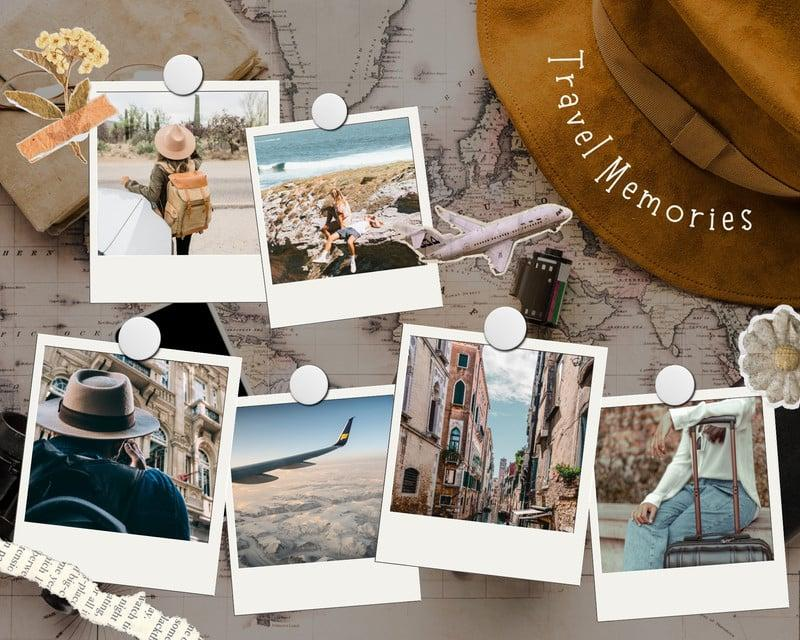
Building Memories Instead of Collecting Things
Many purchases create excitement for days.
Travel memories create value for years.
Travel stories become:
- Family memories
- Friend conversations
- Personal growth experiences
Long after the trip ends, the benefits remain.
The Regret Test
Imagine yourself ten years from now.
Which statement seems more likely?
Option A
“I regret taking that trip.”
Option B
“I regret not taking that trip.”
For most people, the answer is obvious.
The greatest regrets often come from opportunities we never took.
A Simple 30-Day Travel Action Plan
Week 1
Choose a destination.
Research:
- Flights
- Hotels
- Activities
Week 2
Create a travel savings account.
Deposit your first contribution.
Week 3
Plan tentative travel dates.
Request vacation time if necessary.
Week 4
Book one element:
- Flight
- Hotel
- Tour
Once you commit, momentum begins.
Frequently Asked Questions (FAQ)
Do I need a lot of money to travel frequently?
No. Many travelers focus on budget-friendly destinations, off-season travel, and short trips that significantly reduce costs.
How often should I travel?
There is no perfect number. Even one meaningful trip each year can improve well-being and create lasting memories.
Is solo travel worth trying?
Many travelers report increased confidence, independence, and personal growth from solo travel experiences.
What’s the biggest mistake new travelers make?
Waiting for perfect circumstances instead of planning with the resources they currently have.
Should I prioritize travel over saving money?
Both are important. The goal is balance. Responsible saving and meaningful experiences can coexist.
What if I only have a few vacation days?
Focus on long weekends, nearby destinations, and strategic use of public holidays.
Final Thoughts
Travel is not about escaping your life.
It’s about expanding it.
The most successful travelers are not necessarily the richest people in the world. They are the people who understand that experiences require intention.
Years from now, you probably won’t remember every purchase you made.
But you’ll remember the places that inspired you, the people you met, the challenges you overcame, and the memories you created.
The best time to start traveling more isn’t when everything becomes perfect.
It’s when you decide that experiences deserve a place in your life.