
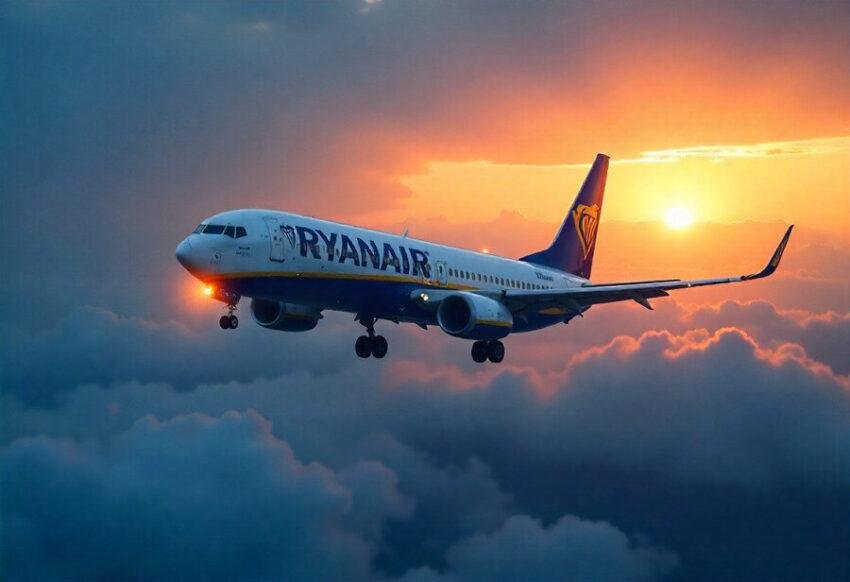
Few things derail a European vacation faster than stepping off a transatlantic flight feeling completely disoriented, foggy-headed, and exhausted. Traveling eastward across several time zones forces your body clock to shorten its natural day, which makes dealing with jet lag flying to Europe notoriously tougher than traveling west.
Instead of losing the first two or three days of your trip to involuntary afternoon crashes and middle-of-the-night wakefulness, you can take active steps before, during, and right after your flight. The secret is working with your circadian rhythm rather than fighting it.
This guide breaks down practical, physiological strategies to help you reset your internal clock quickly and make the most of every moment overseas.
1. Start Adjusting Your Sleep Clock Early
Because eastbound travel requires advancing your internal rhythm, going to bed earlier is the hardest adjustment for your biological clock. Waiting until you board the aircraft to change your routine guarantees a rough transition.
How to ease the pre-trip shift
- Shift your bedtime and wake-up time 30 to 60 minutes earlier each night starting two to three days before departure.
- Expose yourself to bright morning light at home as soon as you wake up to signal daytime to your brain.
- Dim household lights and avoid blue-light screens in the late evening to encourage earlier natural melatonin production.
2. Set Your Watch to Local European Time Immediately

Psychology plays a major role in how well your body adapts to a new routine. As soon as you board your flight, change the clock on your watch and phone to the local time at your European destination.
Mindset and cabin behavior
- Stop calculating what time it is back home; thinking in your departure time zone only prolongs mental fatigue.
- If it is night at your destination, try to sleep right away, even if the cabin service is still serving dinner.
- Use an eye mask, noise-canceling headphones, and a supportive travel pillow to block ambient light and chatter.
3. Manage Light Exposure on Arrival

Natural sunlight is the single most powerful tool you have to reset your circadian pacemaker. When you land in Europe, your eyes need specific light cues to register that a new day has begun.
The daylight strategy
- Spend the first morning and early afternoon outdoors walking around, even if the skies are overcast.
- Avoid wearing dark sunglasses continuously during morning daylight hours, as your retinal cells need exposure to light.
- Limit exposure to bright artificial light late in the evening so your brain can prepare for a local bedtime.
4. Be Strategic with Caffeine, Alcohol, and Hydration

Cabin air is dry, and dehydration magnifies common jet lag symptoms like headaches, lethargy, and muscle aches. What you choose to drink during transit directly impacts how well you bounce back.
- Drink water steadily before, during, and after your flight to counteract the dehydrating cabin environment.
- Skip complimentary alcoholic beverages on board, as alcohol disrupts deep REM sleep and worsens sleep fragmentation.
- Use caffeine selectively in the local morning to promote alertness, but cut it off by midday to protect your evening sleep.
5. Resist the Urge to Nap on Day One
After an overnight flight, checking into your hotel room and sinking into a comfortable bed is tempting. However, falling asleep for three or four hours in the afternoon is the easiest way to lock yourself into a cycle of nighttime insomnia.
Pacing your first afternoon
- Keep moving with gentle outdoor sightseeing, walking through parks, or sitting at an open-air cafe.
- If you must rest, take a strict 20- to 30-minute power nap before 2:00 PM to avoid entering deep sleep cycles.
- Aim for a normal local bedtime, ideally between 9:30 PM and 10:30 PM, to give yourself a full night of restorative rest.
Bonus: Quick-Reference European Arrival Checklist
- Shift your bedtime earlier for two to three days before departure
- Change device clocks to destination time the moment you take your seat
- Pack a sleep mask, earplugs, and travel pillow in your personal item
- Drink plenty of water and avoid alcohol in transit
- Get direct sunlight exposure immediately upon arrival
- Stay awake until at least 9:30 PM local time on your first evening
Frequently Asked Questions
Why is jet lag worse flying east to Europe than flying west?
Traveling east requires you to advance your internal clock and fall asleep several hours earlier than usual. Because human circadian pacemakers naturally run slightly longer than 24 hours, extending your day (traveling west) is biologically easier than shortening it (traveling east).
Should I take daytime or overnight flights to Europe?
Overnight red-eye flights are the most common and allow you to sleep during transit and arrive in the morning. However, daytime flights from the East Coast of North America to London or Western Europe let you land in the late evening, go straight to bed at a local hotel, and completely avoid the first-day struggle.
Does eating meals on local time help reset your clock?
Yes. Peripheral circadian clocks in your liver, stomach, and digestive tract respond strongly to food intake. Aligning your meal times with local European schedules helps anchor your metabolism to the new time zone faster.
Final Thoughts: Arrive Ready to Explore
Jet lag doesn’t have to steal your first few days in Europe. By adjusting your schedule gradually, seeking sunlight right after landing, and staying active throughout your first afternoon, you can reset your body clock smoothly and enjoy every day of your trip from the moment you touch down.
Ready to Plan Your Next European Trip?
Make your journey seamless with flight booking tips, travel insights, and destination resources from TripRefuge.
Start exploring cheap flights on TripRefuge.
Explore More Travel Guides from TripRefuge
Travel health recommendations, flight schedules, and airline policies can change. Always consult a healthcare professional regarding sleep aids or specific health concerns before you travel.