

Landing in Europe without working cellular data turns simple logistics into an immediate hassle. Navigating subway maps, calling a rideshare, or messaging your accommodation host all require a stable mobile connection from the moment you step off the plane.
When weighing an esim vs sim card Europe strategy, modern travelers have two primary ways to avoid exorbitant home-carrier roaming fees: installing a digital embedded SIM profile before departure or buying a traditional plastic SIM card after arrival. Both approaches keep you connected, but they differ significantly in cost, setup friction, and practical convenience.
This comparison breaks down how both options work, what drives their real-world costs, and how to determine which option saves you more money and frustration on your trip.
1. How eSIM and Physical SIM Cards Work in Europe
A physical SIM card is a small plastic chip that slides directly into your smartphone’s hardware tray. When traveling, you replace your domestic SIM card with a European prepaid SIM purchased at an airport kiosk, convenience store, or telecom retail shop.
An eSIM (embedded SIM) performs the exact same network authentication function, but the chip is permanently built into your phone’s motherboard. Instead of inserting plastic, you purchase a data package online and activate the cellular profile by scanning a QR code or downloading it directly through a carrier app.
Core functional differences
- Delivery method: Physical SIMs require shipping to your home or hunting down an open retail shop abroad; eSIMs activate digitally in seconds.
- Card handling: Physical SIM swaps risk dropping or losing your tiny home SIM card; eSIM profiles live entirely in software.
- Dual-SIM capability: Most eSIM-compatible handsets let you keep your primary line active for verification texts while routing data through the European plan.
2. Cost Comparison: Upfront Price vs. Real Value

Determining which option saves you more depends on how long your trip lasts and how much mobile data you actually consume. While rates fluctuate constantly across competitive telecom markets, the underlying pricing structures follow predictable patterns.
Where each option holds the price advantage
- Shorter trips and light data users: Regional eSIMs often win on cost for trips under two weeks. You can buy smaller, fixed-gigabyte allocations tailored precisely to your schedule without paying for bundled local voice allowances you will not use.
- Extended stays and heavy data users: Physical SIMs bought directly from local high-street telecom stores in your arrival city typically offer the lowest cost per gigabyte, frequently including massive domestic data packages.
- Airport premiums: Airport retail shops frequently mark up physical SIM packages for arriving tourists. Purchasing an eSIM online in advance avoids these retail markups entirely.
3. Convenience and Setup Logistics
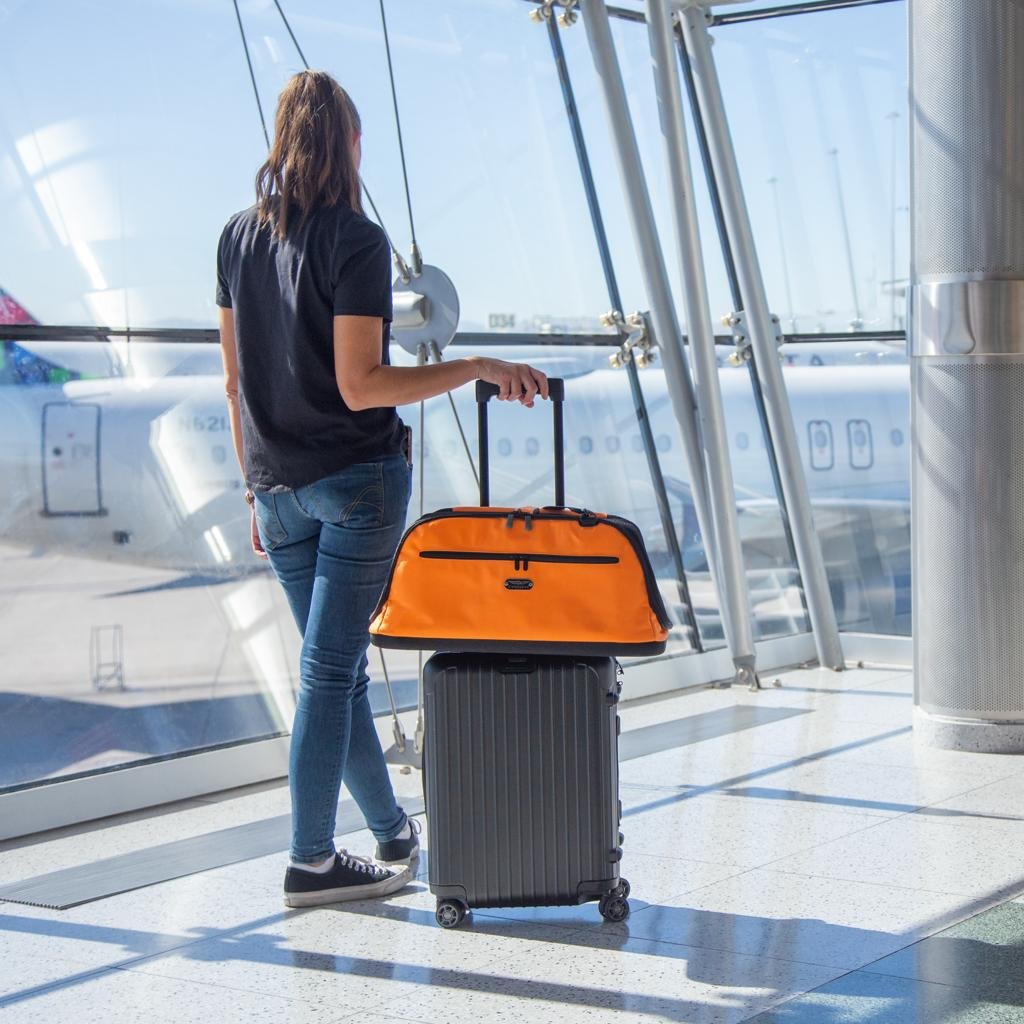
Cost is only one half of the equation; your time and peace of mind on arrival day carry tangible value. Setup friction varies markedly between the two formats.
The eSIM travel experience
An eSIM allows you to research plans, buy a package, and install the configuration while still sitting on your couch at home. When your aircraft touches down in Europe, you simply turn on the data roaming toggle for that eSIM line, and your phone connects to a local partner network within minutes.
The physical SIM travel experience
A physical card requires finding an open vendor, waiting in line, and presenting your passport for legal registration. You then need a SIM ejector tool, a safe place to store your primary card, and patience to verify network registration before leaving the shop counter.
4. Multi-Country Roaming and Number Requirements

If your itinerary spans multiple European destinations—such as traveling between France, Germany, and Switzerland—network roaming policies become critical.
- Regional eSIM coverage: Many international travel eSIMs come pre-configured as Europe-wide bundles that transition smoothly across borders without manual adjustments.
- Non-EU border crossings: Non-EU countries like Switzerland, the United Kingdom, and microstates may carry different roaming terms under local physical SIM contracts. Always review the included country list before selecting a plan.
- Phone numbers and SMS: Most travel eSIMs provide data-only connections. If you require an inbound European phone number for local dinner reservations or driver calls, a standard prepaid physical SIM frequently includes domestic voice calling out of the box.
5. Device Compatibility: Checking Your Hardware
Hardware compatibility remains the hard boundary for eSIM adoption. Before committing to digital connectivity, verify that your specific device model supports embedded SIM profiles.
- Most flagship smartphones manufactured over recent years feature integrated eSIM capabilities alongside a physical SIM tray.
- Budget handsets, regional hardware variations, and older models may only support standard physical nano-SIM cards.
- Check your phone’s cellular network settings menu for an “Add eSIM” or “Add Cellular Plan” option before making a purchase.
Quick Decision Guide: eSIM vs. Physical SIM
- Choose an eSIM if: Your device is unlocked, you want instant connectivity upon landing, you are visiting multiple countries, and you rely on WhatsApp or VoIP apps rather than standard cellular voice lines.
- Choose a physical SIM if: Your phone does not support eSIM technology, you plan an extended stay in a single country, or you require an active local telephone number for regional voice calls and SMS.
Frequently Asked Questions
Can I receive bank authentication codes while using an eSIM?
Yes. If your phone supports active dual-SIM functionality, you can leave your primary physical SIM card turned on for incoming SMS verification codes while routing all cellular data usage through your secondary travel eSIM.
Can I top up my data plan if I run out?
Most digital eSIM providers allow instant in-app top-ups without changing settings. Physical prepaid SIMs can also be reloaded, though this may require buying scratch vouchers or navigating local-language carrier websites.
Do European physical SIM cards work across every country?
Intra-EU roaming rules allow many domestic plans to function across European Union member states. However, exact fair-use data limits and coverage terms for non-EU territories vary, so you should review the carrier’s roaming terms before crossing borders.
Final Thoughts: Choosing the Best Fit for Your Trip
Neither SIM technology is universally superior; the ideal choice depends on your trip length, destination count, and device capability. For the vast majority of short-to-medium vacationers with modern unlocked phones, the time saved and immediate connectivity of an eSIM provide superior overall value.
Ready to Plan Your Next Adventure?
Make your next trip easier with practical travel inspiration, destination guides and booking resources from TripRefuge.
Start exploring cheap flights on TripRefuge.
Explore More Travel Guides from TripRefuge
Prepaid data plans, international roaming policies, and carrier pricing change frequently. Always check your device specifications and verify current rates with your chosen provider before traveling.