
How to avoid tourist scams.
Traveling is one of life’s greatest pleasures. Exploring new destinations, meeting people from different cultures, and creating unforgettable memories can completely change the way we see the world.
However, every popular destination also attracts people looking to take advantage of tourists.
The good news is that most tourist scams are surprisingly easy to avoid.
In fact, scammers usually target travelers who look distracted, confused, or unfamiliar with their surroundings. Fortunately, a little preparation can dramatically reduce your chances of becoming a victim.
Whether you’re planning a weekend city break or a once-in-a-lifetime trip around the world, understanding how these scams work will help you travel with far greater confidence.
This guide covers the most common tourist scams, explains why they work, and—most importantly—shows you exactly how to avoid them.

Why Tourists Become Easy Targets
Most scams don’t happen because travelers are careless.
Instead, they happen because tourists naturally behave differently from locals.
For example, visitors often:
- Look at maps while walking.
- Carry expensive cameras.
- Don’t know local prices.
- Speak another language.
- Feel rushed after arriving.
Scammers know this.
Rather than targeting everyone, they usually look for people who appear uncertain or overwhelmed.
However, confidence alone can discourage many scammers from approaching you.
Walking with purpose, staying aware of your surroundings, and avoiding obvious distractions already makes you a much less attractive target.
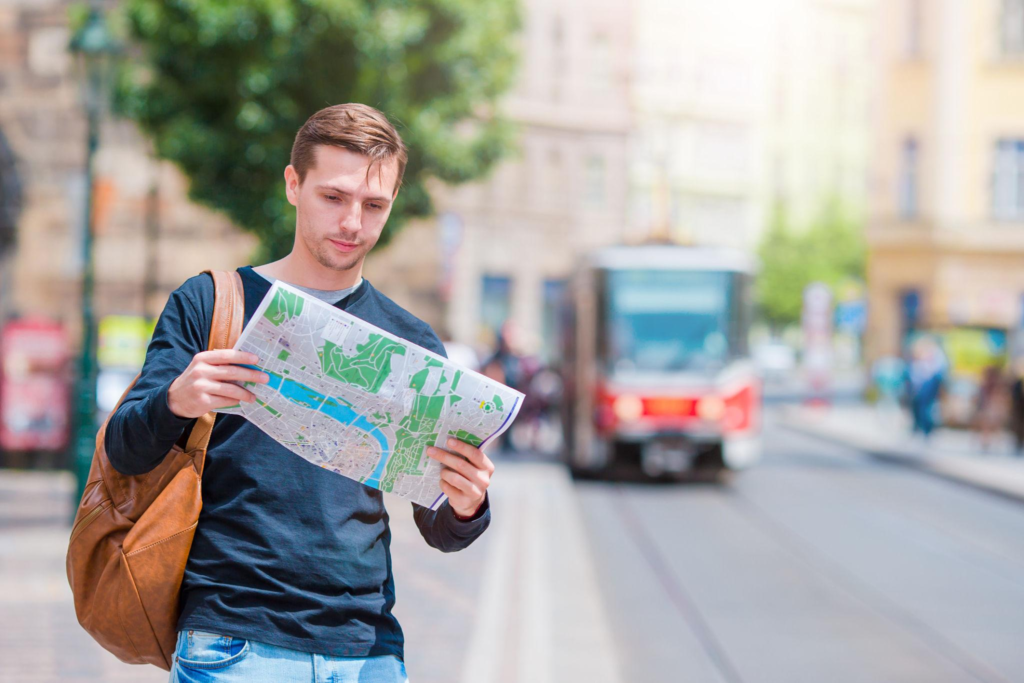
Tourist Scam Quick Guide
| Scam | Risk Level | What Usually Happens | Best Protection |
|---|---|---|---|
| Fake Taxi | ⭐⭐⭐⭐☆ | Driver overcharges or refuses the meter | Use official taxi apps or licensed taxis |
| Pickpocket Distraction | ⭐⭐⭐⭐⭐ | Someone distracts you while another steals your wallet | Keep valuables in front pockets or anti-theft bags |
| Fake Police | ⭐⭐⭐⭐⭐ | Someone pretends to inspect your documents | Ask for identification and request to visit the nearest police station |
| Friendship Bracelet | ⭐⭐⭐☆☆ | A “free” bracelet suddenly becomes expensive | Politely refuse and continue walking |
| Currency Exchange Scam | ⭐⭐⭐⭐☆ | Hidden fees reduce your money | Compare exchange rates before exchanging cash |
| Fake Wi-Fi | ⭐⭐⭐⭐☆ | Criminals steal personal information | Avoid banking on public Wi-Fi |
Did You Know?
💡 Many travel scams rely on creating urgency.
Scammers often pressure tourists into making quick decisions because people think less critically when they feel rushed.
Whenever someone insists that you must decide “right now,” it’s usually worth slowing down and thinking twice.
1. Never Accept “Free” Gifts
One of the oldest tourist scams is also one of the simplest.
Someone approaches you with a smile and offers a free bracelet, flower, souvenir, or small gift.
Before you even have time to react, they place it in your hand—or even tie it around your wrist.
A few seconds later, they demand payment.
If you refuse, they may become aggressive or embarrass you in front of other people.
However, there’s an easy solution.
Simply smile politely, say:
“No, thank you.”
and continue walking without stopping.
Remember:
Nothing is truly free if someone immediately asks for money afterward.
Safe vs. Unsafe Travel Habits
| Safe Habit | Unsafe Habit |
|---|---|
| Carry only the cash you need | Carry all your money together |
| Use licensed taxis | Accept rides from strangers |
| Keep a backup payment card | Store every card in the same wallet |
| Book through trusted travel websites | Transfer money to unknown individuals |
| Download offline maps | Depend entirely on mobile data |
| Stay aware of your surroundings | Walk while staring at your phone |
2. Always Research Taxi Prices Before You Arrive
Taxi scams remain one of the most common problems for international travelers.
For example, some drivers may:
- Refuse to use the taximeter.
- Claim the meter is broken.
- Take unnecessarily long routes.
- Charge “tourist prices.”
Fortunately, avoiding this scam takes only a few minutes.
Before arriving:
✅ Check the average airport taxi fare.
✅ Save your hotel’s address.
✅ Use trusted ride-hailing or official taxi services whenever possible.
Otherwise, a short ride could easily cost three or four times more than it should.
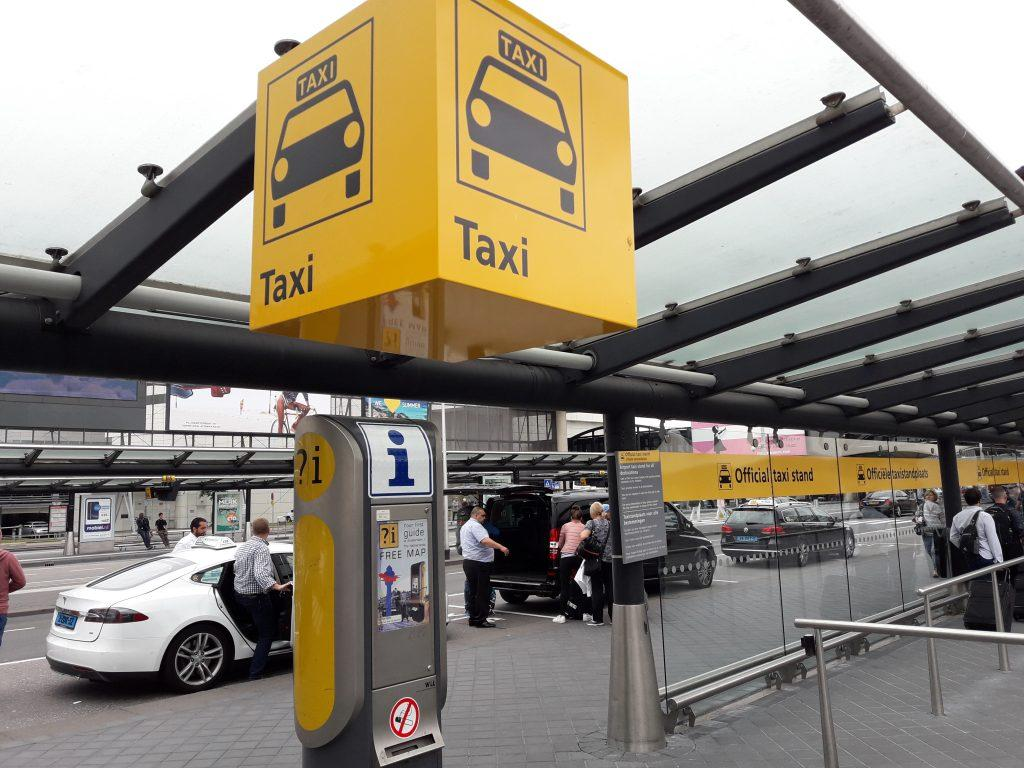
Pro Tip
📱 Save your hotel address offline before traveling.
If your phone loses internet access, you’ll still be able to show the address to the driver.
3. Don’t Use Public Wi-Fi for Sensitive Activities
Free Wi-Fi is everywhere—airports, cafés, hotels, shopping malls, and even public parks. While it may seem convenient, it’s also one of the easiest ways for cybercriminals to access personal information.
For example, an unsecured network may allow hackers to intercept your passwords, banking details, or credit card information without you even realizing it.
However, this doesn’t mean you should never use public Wi-Fi.
Instead, avoid accessing:
- Online banking
- Investment accounts
- Shopping websites with saved cards
- Personal email containing sensitive information
Otherwise, you could expose valuable data without noticing.
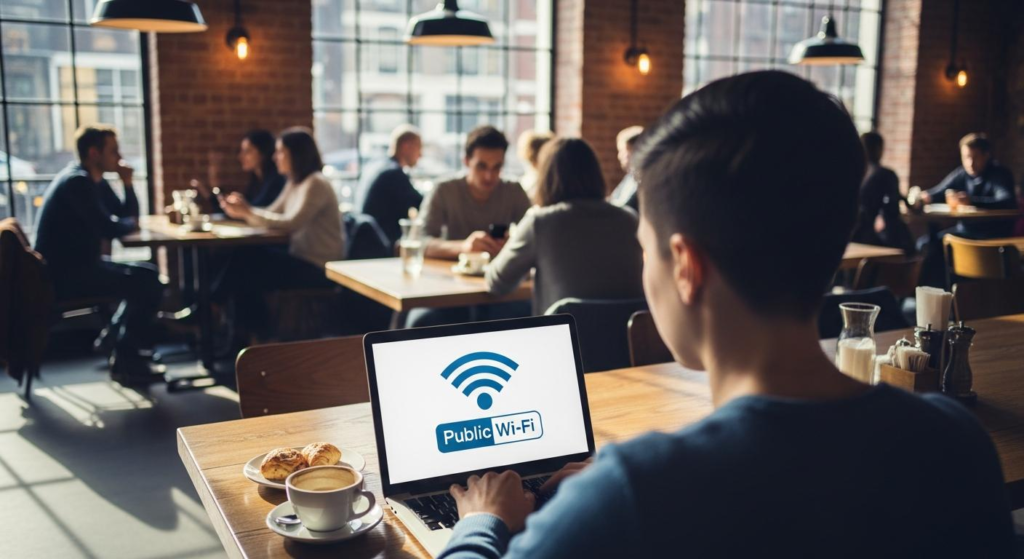
Safer Alternatives
| Good Practice | Why It Helps |
|---|---|
| Use your mobile data | More secure than public Wi-Fi |
| Use a trusted VPN | Encrypts your internet connection |
| Wait until you’re back at the hotel | Reduces unnecessary risks |
| Enable two-factor authentication | Adds an extra layer of security |
💡 Pro Tip
If a public Wi-Fi network doesn’t require a password, assume that everyone connected to it could potentially monitor unencrypted traffic.
4. Keep a Backup Payment Method
Imagine arriving in your dream destination…
Then suddenly realizing your wallet is gone.
It happens more often than many travelers think.
Fortunately, losing one wallet doesn’t have to ruin your vacation.
Instead of carrying everything together, separate your valuables.
For example:
- One debit card in your wallet.
- One credit card inside your luggage.
- Emergency cash hidden separately.
- Digital payment methods on your phone.
This simple habit can save you hundreds of dollars—and a lot of stress.
Backup Money Plan
| Item | Where to Keep It |
|---|---|
| Main Credit Card | Wallet |
| Backup Card | Hotel safe or luggage |
| Emergency Cash | Hidden money belt |
| Passport Copy | Cloud storage |
| Digital Wallet | Smartphone |
5. Be Careful with Currency Exchange
Many travelers lose money before they even begin exploring.
Why?
Because exchange offices in tourist areas often advertise attractive exchange rates while hiding expensive commissions.
For example:
A sign may say:
“0% Commission.”
However, the exchange rate itself may already include hidden fees.
Before exchanging money:
✔ Compare rates.
✔ Use reputable exchange offices.
✔ Consider withdrawing cash directly from bank ATMs.
Otherwise, you might lose 10–20% of your money without realizing it.
Quick Currency Exchange Tips
| Do | Don’t |
|---|---|
| Compare exchange rates | Exchange money at airports unless necessary |
| Count your money immediately | Leave before checking the amount |
| Ask about final fees | Assume “No Commission” means no extra costs |
| Use bank-operated ATMs | Use random standalone ATMs |
6. Watch Out for Fake Police Officers
This scam is less common, but when it happens, it can be very convincing.
Someone approaches you wearing what appears to be a police uniform.
They claim there’s been a problem with counterfeit money or stolen passports.
Then they ask to inspect your wallet.
Unfortunately, fake officers sometimes steal cash during the “inspection.”
However, real police officers generally follow official procedures.
If you’re ever unsure:
- Ask to see official identification.
- Remain calm.
- Request to go to the nearest police station.
A legitimate officer should not object.
🚨 Warning
Never hand over your wallet to anyone on the street unless you’re absolutely certain they’re a legitimate police officer.
7. Avoid Carrying Everything Together
Many travelers unknowingly create the perfect opportunity for thieves.
Passport.
Phone.
Cash.
Credit cards.
Everything inside one backpack.
Unfortunately, if that bag disappears, so does almost everything you need.
Instead, spread your valuables across different locations.
For example:
- Passport in a money belt.
- Daily spending cash in your pocket.
- Backup card in luggage.
- Digital copies stored online.
This strategy significantly reduces the impact of theft.
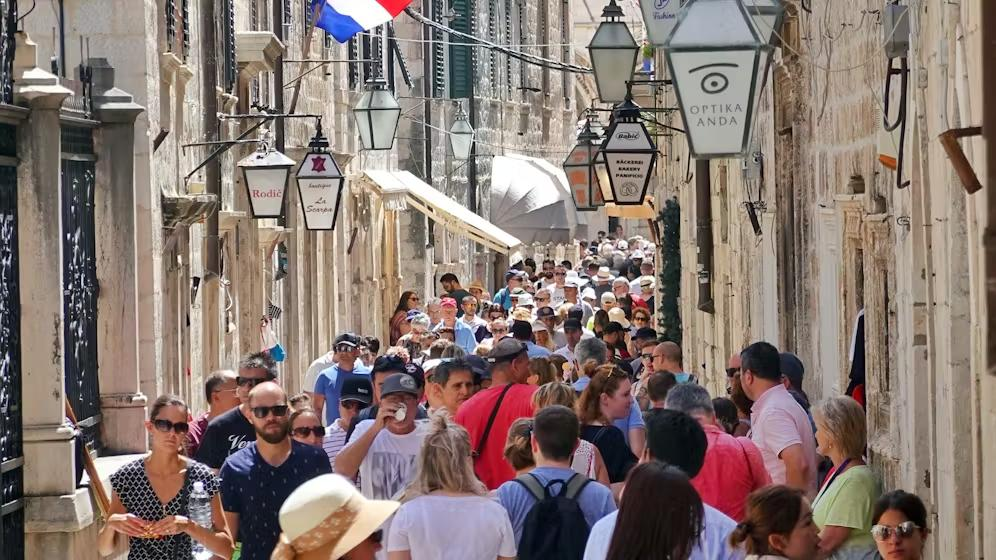
Safe Packing Comparison
| Smart Traveler | Risky Traveler |
|---|---|
| Splits valuables | Keeps everything together |
| Has digital copies | Carries only originals |
| Uses anti-theft bags | Uses open backpacks |
| Carries limited cash | Carries large amounts of cash |
| Has emergency contacts saved | Relies on memory |
8. Learn to Recognize Distraction Techniques
Professional pickpockets rarely work alone.
Instead, they create distractions.
For example:
Someone asks for directions.
A child bumps into you.
Another person accidentally spills coffee.
Meanwhile…
A partner quietly steals your phone or wallet.
These situations happen quickly.
However, staying calm and keeping one hand on your valuables often prevents theft entirely.
Most Common Distraction Scams
| Situation | Real Goal |
|---|---|
| Someone drops coins | Distract you |
| Asking for directions | Keep your attention elsewhere |
| Fake petition | Get close enough to steal |
| Sudden argument nearby | Divert your focus |
| Someone spills food on you | Access your pockets or bag |
9. Book Through Trusted Travel Platforms
Scammers don’t only operate on the streets.
They also create fake hotel listings, fake apartment rentals, and fake travel agencies.
Before paying for accommodation or experiences:
✔ Read verified reviews.
✔ Compare prices.
✔ Use secure payment methods.
✔ Avoid direct bank transfers to strangers.
Reliable booking platforms offer customer support and payment protection, making them a much safer choice.
Why Trusted Platforms Matter
| Trusted Booking | Unknown Seller |
|---|---|
| Verified reviews | No reviews |
| Secure payments | Bank transfer only |
| Customer support | Difficult to contact |
| Cancellation policies | No guarantees |
| Fraud protection | Higher risk |
10. Learn a Few Basic Local Words
You don’t need to become fluent in another language before traveling.
However, learning just a few words can completely change the way locals interact with you.
Even simple phrases like:
- Hello
- Thank you
- Please
- Excuse me
- Help
- Police
show respect and confidence.
For example, scammers often prefer tourists who look confused and completely unfamiliar with their surroundings.
On the other hand, speaking even a few local words can make you appear much more confident.
Useful Travel Words
| English | Learn Before You Go |
|---|---|
| Hello | Local greeting |
| Thank you | Local phrase |
| Help | Emergency word |
| Police | Emergency word |
| Hospital | Emergency word |
| Taxi | Useful transportation word |
11. Double-Check Hotel Addresses
Imagine arriving after a 12-hour flight.
You’re exhausted.
A taxi driver asks:
“Which hotel?”
You aren’t completely sure.
Unfortunately, some dishonest drivers take advantage of situations like this.
For example, they may claim your hotel is full and offer to take you to another “better” hotel where they receive a commission.
Fortunately, avoiding this scam is simple.
Before traveling:
✅ Save your hotel address.
✅ Save the phone number.
✅ Download the location offline.
Hotel Arrival Checklist
| Before Landing | Done |
|---|---|
| Hotel address saved | ✅ |
| Google Maps offline | ✅ |
| Hotel phone number | ✅ |
| Reservation screenshot | ✅ |
| Confirmation email downloaded | ✅ |
12. Trust Your Instincts
One of the most valuable travel skills isn’t found in any guidebook.
It’s your intuition.
If something feels strange…
Slow down.
For example:
Someone insists you buy something immediately.
Someone follows you for several minutes.
Someone becomes aggressive after you politely decline.
These situations usually deserve extra caution.
However, many travelers ignore these warning signs simply because they don’t want to appear rude.
Remember:
Your safety is always more important than someone else’s opinion.
🚨 Warning Signs
| Situation | Risk |
|---|---|
| High-pressure sales | High |
| Extremely cheap offers | High |
| Stranger asks for your passport | Very High |
| Cash only | Medium |
| Refusing to provide receipts | High |
| Wants immediate payment | Very High |
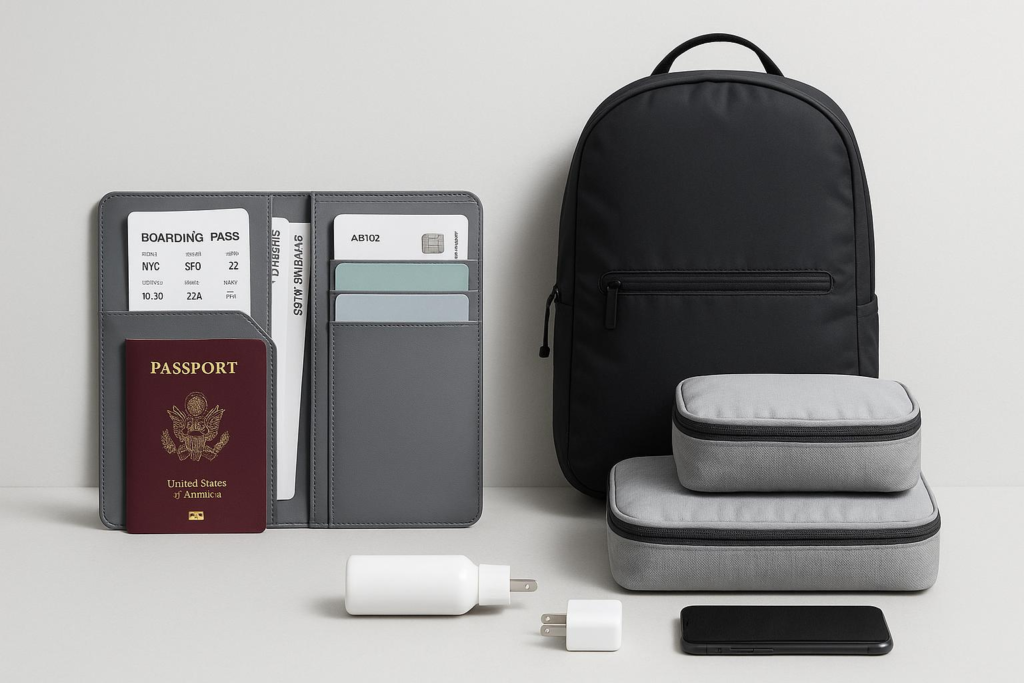
13. Keep Digital Copies of Important Documents
Losing your passport can be stressful.
Losing your passport without any copies can become a nightmare.
Fortunately, technology makes preparation easier than ever.
Before every trip, scan or photograph:
- Passport
- National ID
- Driver’s license
- Travel insurance
- Flight tickets
- Hotel confirmations
Store everything securely in cloud storage.
For example:
- Google Drive
- iCloud
- OneDrive
This allows you to access your documents from almost anywhere.
Essential Digital Backup
| Document | Save Digitally? |
|---|---|
| Passport | ✅ |
| Driver’s License | ✅ |
| Hotel Booking | ✅ |
| Flight Tickets | ✅ |
| Insurance | ✅ |
| Emergency Contacts | ✅ |
14. Stay Calm If Something Goes Wrong
Even experienced travelers occasionally become victims of scams.
The difference is how they respond.
Instead of panicking:
✔ Contact your bank.
✔ Freeze your credit card.
✔ File a police report.
✔ Contact your embassy if necessary.
✔ Inform your travel insurance provider.
Most situations can be solved much faster than people expect.
Emergency Action Plan
| Problem | First Step |
|---|---|
| Lost Wallet | Freeze bank cards |
| Lost Passport | Contact embassy |
| Phone Stolen | Lock device remotely |
| Hotel Scam | Contact booking platform |
| Fake Taxi | Photograph license plate |
15. Preparation Is Your Greatest Protection
People often believe avoiding scams requires luck.
Actually…
It requires preparation.
Fortunately, preparing for a trip only takes a few minutes.
Research your destination.
Understand common scams.
Save emergency numbers.
Book through trusted travel platforms.
Download offline maps.
These simple habits dramatically reduce your chances of becoming a victim.
Countries Where Tourist Scams Are Most Common
It’s important to understand that tourist scams can happen anywhere, even in countries considered very safe. The table below highlights destinations where travelers commonly report specific types of scams—not because these countries are unsafe overall, but because they receive millions of visitors each year.
| Destination | Common Tourist Scam |
|---|---|
| France | Friendship bracelet scams, pickpocketing |
| Italy | Fake petitions, taxi overcharging |
| Spain | Pickpocket teams in crowded tourist areas |
| Thailand | Jet ski scams, tuk-tuk detours |
| Egypt | Overpriced souvenirs, unofficial guides |
| Turkey | Restaurant bill scams in tourist districts |
| Brazil | Phone theft in crowded public spaces |
| India | Fake guides, taxi scams, currency tricks |
However, millions of people visit these destinations safely every year. Awareness and preparation—not fear—are what make the biggest difference.
💡 Pro Tip
Before visiting any destination, spend 10–15 minutes reading about the most common local scams. That small investment of time can save you money, stress, and frustration during your trip.
Complete Travel Safety Checklist
Before leaving home, use this checklist to make sure you’re fully prepared.
| Task | Completed |
|---|---|
| Passport is valid | ✅ |
| Travel insurance purchased | ✅ |
| Hotel booking confirmed | ✅ |
| Flight tickets downloaded | ✅ |
| Emergency contacts saved | ✅ |
| Google Maps offline downloaded | ✅ |
| Backup credit card packed | ✅ |
| Digital passport copy stored | ✅ |
| Local emergency number saved | ✅ |
| Small amount of local currency | ✅ |
| VPN installed | ✅ |
| Bank notified of travel (if required) | ✅ |
Quick Summary: Stay Safe While Traveling
If you only remember one thing from this guide, let it be this:
| Always Do | Never Do |
|---|---|
| Research common scams before your trip | Trust every stranger immediately |
| Keep a backup payment method | Carry all your cash together |
| Book through trusted travel websites | Send money to unknown people |
| Stay aware of your surroundings | Walk while staring at your phone |
| Download offline maps | Depend only on internet access |
| Trust your instincts | Ignore warning signs |
The Golden Rules Every Traveler Should Follow
No matter where you’re traveling, these simple habits will reduce your chances of becoming a victim.
✔ Stay Alert
Enjoy your destination, but always remain aware of your surroundings.
✔ Walk Confidently
Even if you’re lost, avoid looking confused in crowded tourist areas.
Instead, step inside a café or shop before checking your map.
✔ Protect Your Valuables
Money belts, anti-theft backpacks, and hidden pockets aren’t just for experienced travelers.
They’re inexpensive tools that can save you from major headaches.
✔ Don’t Feel Pressured
Scammers rely on urgency.
Whenever someone tells you:
“Only today.”
“Right now.”
“Last chance.”
Slow down.
Take a moment to think.
If the offer is genuine, it will usually still be there a few minutes later.
Frequently Asked Questions
What is the most common tourist scam?
Taxi overcharging, pickpocketing, fake petitions, friendship bracelet scams, and fake police officers are among the most commonly reported scams worldwide.
Are tourist scams common in Europe?
Yes.
Popular tourist destinations receive millions of visitors every year, making them attractive targets for scammers.
However, the vast majority of travelers visit Europe safely.
Awareness is the best protection.
Should I carry cash while traveling?
Yes—but only enough for the day.
Store larger amounts separately and always keep a backup payment method.
Is travel insurance worth it?
Absolutely.
Travel insurance can protect you against medical emergencies, theft, lost luggage, flight cancellations, and many unexpected situations.
How can I avoid pickpockets?
- Keep your phone in your front pocket.
- Wear anti-theft bags.
- Avoid displaying expensive jewelry.
- Stay extra alert in crowded places.
Is it safe to use ATMs abroad?
Yes.
However, use ATMs located inside banks whenever possible instead of standalone machines in tourist areas.
Should I exchange money before traveling?
It depends on the destination.
Having a small amount of local currency before arriving is useful, especially for transportation or emergencies.
Final Thoughts
Travel should be exciting—not stressful.
Fortunately, avoiding most tourist scams doesn’t require special skills or expensive equipment.
It simply requires preparation, awareness, and a few smart habits.
Remember that the vast majority of people you meet while traveling are honest and welcoming.
Don’t let the possibility of scams stop you from exploring the world.
Instead, let knowledge give you confidence.
With proper planning, you’ll spend less time worrying and more time enjoying unforgettable experiences.
After all, the best trips are the ones where your biggest concern is deciding what to explore next—not recovering from a scam.
Safe travels! 🌍✈️
Internal Linking Suggestions (TripRefuge)
Link this article to other content on your site, such as:
- How to Travel More While Working Full-Time
- Best Ways to Book Cheap Flights Without Sacrificing Comfort
- How to Save Money on Hotels
- Airport Travel Tips Every Traveler Should Know