
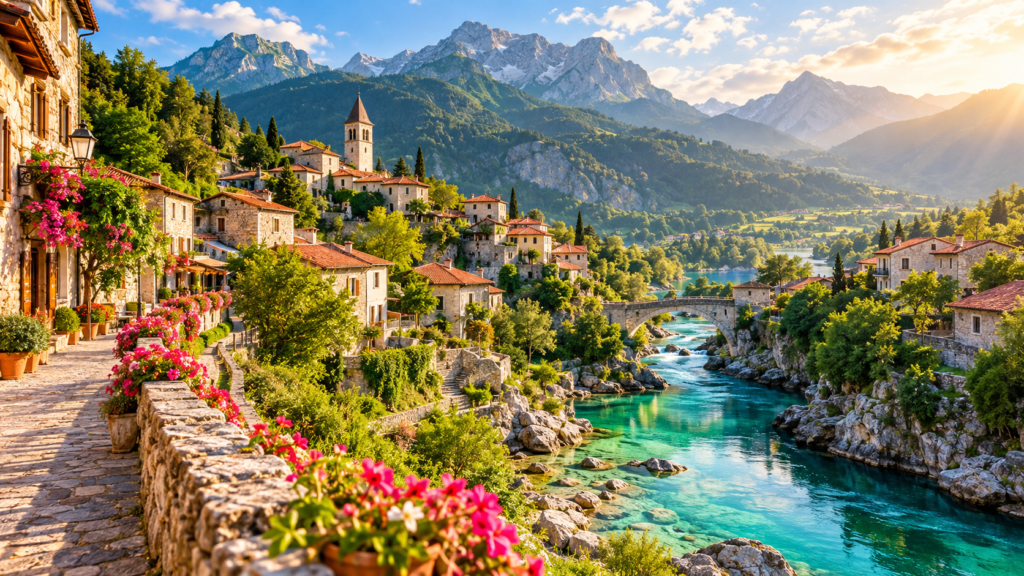
Europe offers exceptional variety, from sun-drenched Mediterranean coastal towns with thriving tech communities to historic Central European capitals with low daily costs and robust public transit. However, navigating seasonal weather shifts, fluctuating rental markets, and cross-border tax considerations requires careful planning rather than impromptu
relocation’s
This guide highlights prime remote work destinations across the continent, detailing what makes each city appealing and how to prepare for a
friction-less
1. What Makes a European City Remote-Work Friendly?
A destination needs more than picturesque architecture to function as a viable nomad hub. When assessing potential bases, several practical criteria distinguish sustainable cities from brief vacation spots.
Core factors to evaluate
- Internet infrastructure: Reliable high-speed fiber internet and comprehensive mobile 5G network coverage.
- Workspace options: A broad selection of flexible
co-working
- spaces, quiet work-friendly cafes, and serviced offices.
- Public transport: Comprehensive tram, metro, and rail links that reduce reliance on private vehicles.
- Community and networking: Active professional meetups, language exchanges, and international entrepreneur communities.
2. Lisbon and Porto: Atlantic Tech Hubs
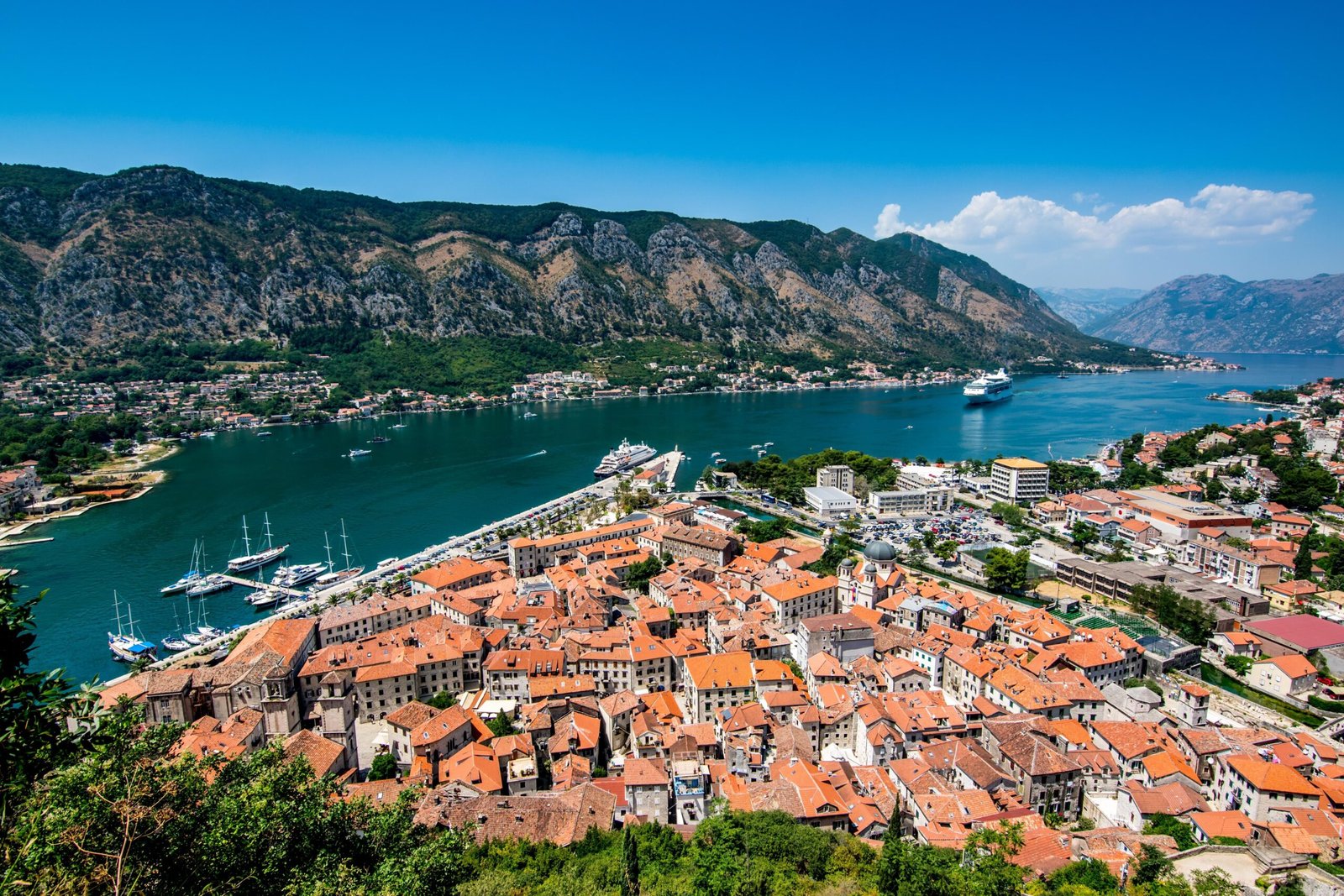
Portugal remains one of the most prominent remote-work destinations on the continent. Its western positioning creates workable overlap with North American and European time zones alike, while a mild climate draws year-round interest.
Lifestyle and practicalities
- Lisbon features well-established international entrepreneur networks and abundant shared
workspace
- across neighborhoods like Cais do Sodré and Saldanha.
- Porto provides a compact, walkable alternative with lower housing pressure and a vibrant arts scene along the Douro River.
- Be aware that heating in older Portuguese apartments can be minimal; verify heating systems if staying during winter months.
3. Valencia and Barcelona: Mediterranean Connectivity
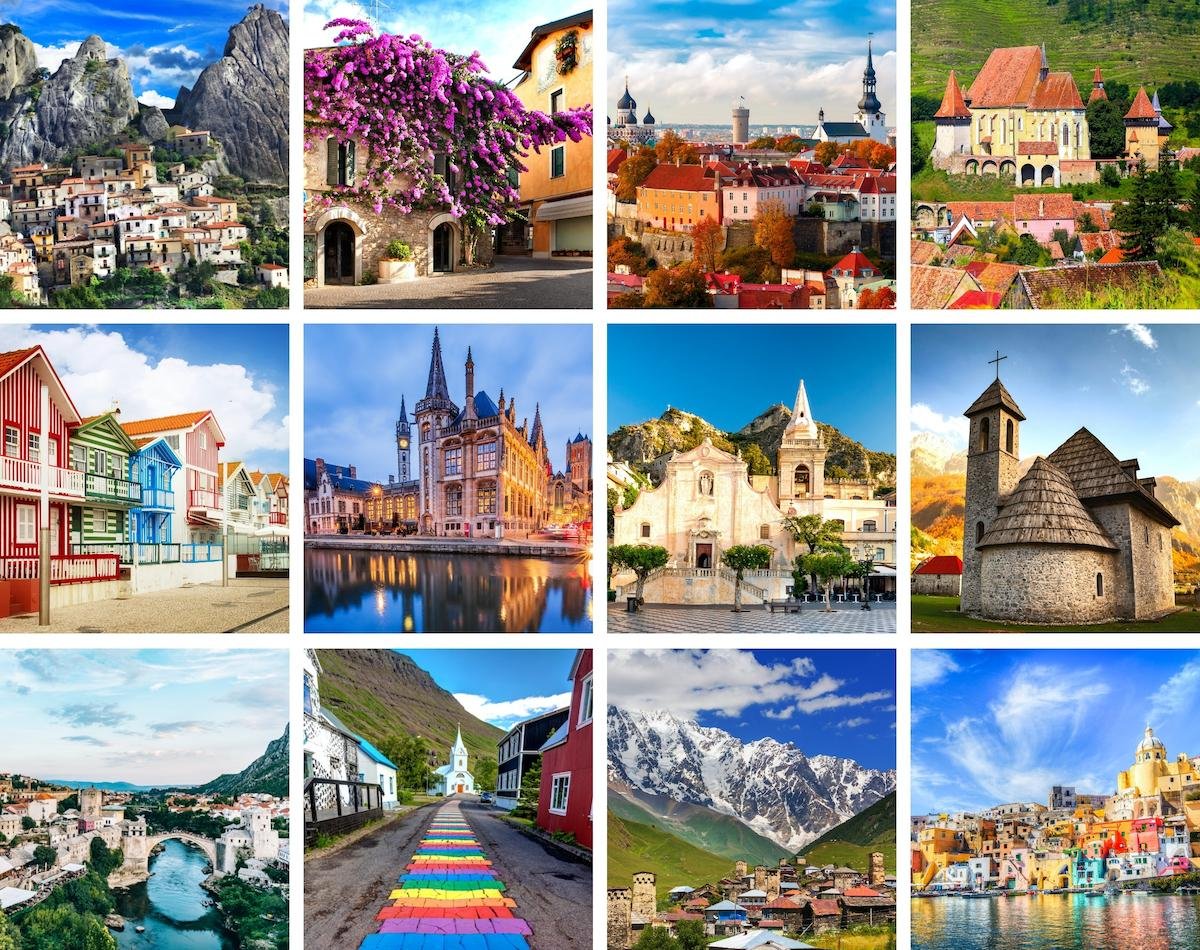
Spain combines Mediterranean lifestyle with rapid nationwide rail links. While Barcelona continues to attract larger creative industries, Valencia has surged in popularity among professionals seeking balanced urban living.
Comparing the coastal bases
- Valencia offers extensive dedicated cycling tracks through the Turia Gardens, accessible beaches, and an expanding network of shared offices.
- Barcelona delivers world-class infrastructure and global conferences, though long-term rentals in central districts require careful research.
- High-speed trains connect both cities directly to Madrid, making regional business travel seamless.
4. Central and Eastern Europe: Value and Heritage
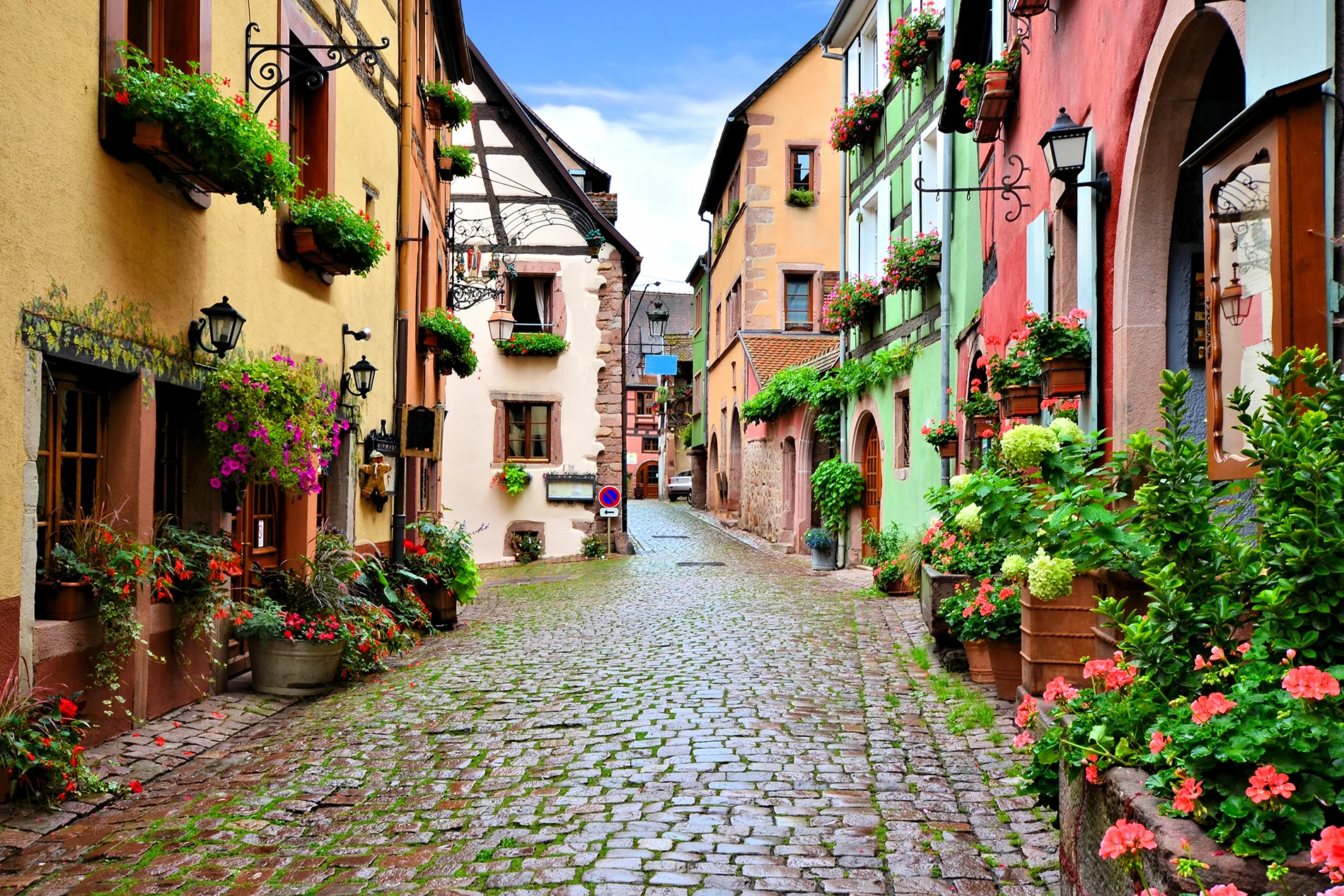
For location-independent professionals seeking manageable living expenses without sacrificing urban culture, Central and Eastern European cities represent exceptional bases.
Notable hubs
- Prague pairs dependable public transportation and central rail access with a picturesque setting and steady fiber coverage.
- Budapest provides thermal bath culture, distinct architecture, and cost-effective extended stay options across Districts V, VI, and VII.
- Zagreb offers a relaxed café environment, reliable transit, and straightforward weekend escapes to the Adriatic coast.
5. Understanding Visas, Remote Permits, and Regulations
Working while traveling internationally involves distinct legal frameworks depending on your citizenship and intended duration of stay. Short tourist visits generally carry strict restrictions regarding local employment, whereas specialized remote work visas provide formal legal residency.
Key regulatory considerations
- Schengen zone limits: Non-EU passport holders are subject to the 90-day limit within any 180-day rolling period unless holding an authorized long-stay visa.
- National remote work permits: Several countries offer dedicated digital nomad visas; program criteria, required income thresholds, and processing fees change frequently and must be confirmed directly with official embassies.
- Tax residency thresholds: Spending more than 183 days in a single country typically triggers local tax residency rules; consult an international tax professional regarding your obligations.
6.
Co-working
and Accommodation Logistics
Securing suitable lodging with verified
workspace
- Request a screenshot of a live internet speed test from prospective hosts before reserving month-long stays.
- Inspect local
co-working
- spaces in person with a day pass before committing to monthly desk memberships.
- Carry a backup mobile hotspot or international eSIM with tethering capability to safeguard critical calls against local outages.
Bonus: Quick Checklist for European Remote Work
- Valid passport with at least six months of remaining validity
- Confirmed visa status matching your planned duration and work nature
- International health insurance covering medical care across multiple borders
- Unlocked smartphone compatible with local European eSIM profiles
- Universal power adapter and noise-canceling headset for co-working environments
- Backup payment cards with zero foreign transaction fees
Frequently Asked Questions
Can I work remotely on a standard Schengen tourist visa?
Short-stay tourist entry rules in the Schengen area are designed primarily for leisure and business visits such as conferences or client meetings, not active long-term employment. If you plan to reside and work remotely for several months, explore official national digital nomad visas or consult the respective country’s consulate.
How do
co-working
spaces handle memberships across cities?
Many
co-working
Is reliable Wi-Fi widespread across European cities?
Most major urban areas throughout Western and Central Europe boast high-speed fiber broadband and widespread 5G data. However, connection speeds can drop significantly in rural retreats or historic stone buildings; always ask accommodation providers for current speed test confirmation before arrival.
Final Thoughts: Finding Your Flow in Europe
Relocating your workday to Europe provides an unmatched balance between career advancement and cultural immersion. By prioritizing rock-solid connectivity, respecting local administrative requirements, and picking a home base aligned with your working cadence, you can build a sustainable, productive lifestyle across the continent.
Ready to Plan Your Next Adventure?
Make your next trip easier with practical travel inspiration, destination guides and booking resources from TripRefuge.
Start exploring vetted hotels and comfortable long-stay accommodations on TripRefuge.
Explore More Travel Guides from TripRefuge
Immigration policies, visa eligibility criteria, and
co-working